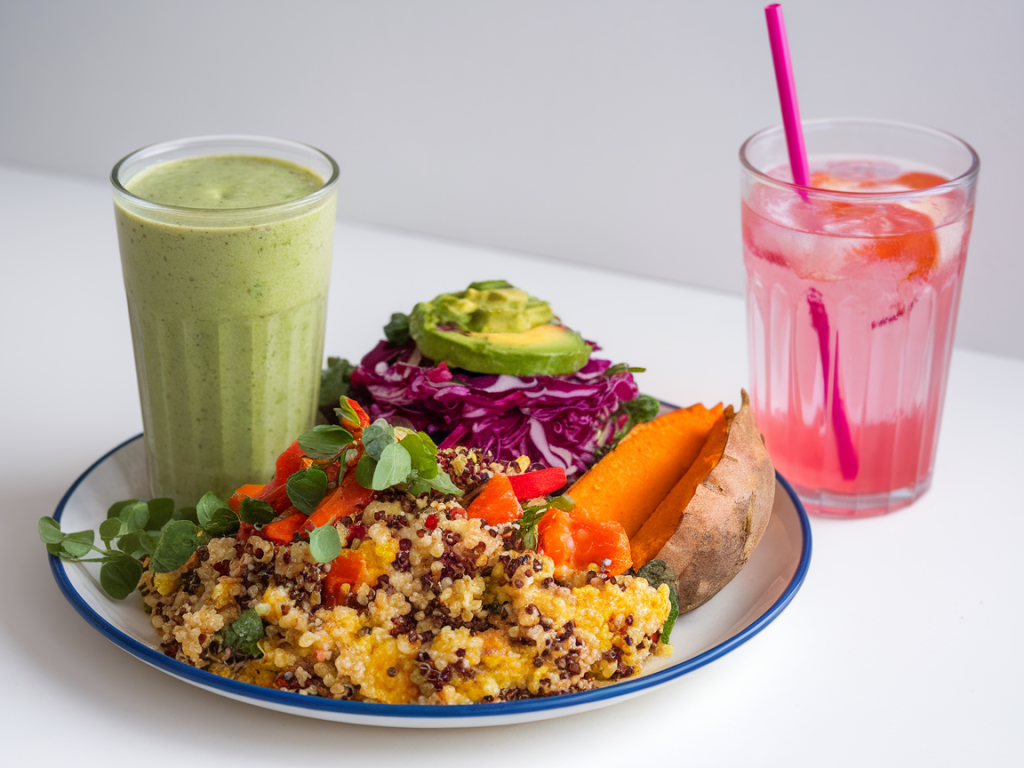
After a few days of indulgence it’s common to feel bloated, sluggish and a little out of sorts. I’ve helped many clients press the reset button after holiday overeating, and over the years I’ve found that targeted reflexology, paired with small, sensible dietary swaps, can speed recovery and restore comfort without dramatic dieting. Below I share the exact reflex points I use, step‑by‑step techniques you can try at home, and simple food and drink swaps that support digestion and reduce inflammation.
Why reflexology helps digestion (in plain terms)
Reflexology works by stimulating zones on the feet that correspond to organs and systems in the body. When I apply gentle, sustained pressure to a digestive reflex point, it encourages local circulation and nervous system activity which can help the body move from a stressed “fight or flight” state into a more relaxed “rest and digest” state. That shift alone often reduces bloating, calms spasms and helps digestion proceed more smoothly.
The exact reflex points to target (and how to find them)
Below is a practical map I use in clinic. You don’t need a diagram to start — just use your hands and a mindful approach. Apply steady, comfortable pressure (not painful) for 1–2 minutes per point, moving in slow circles or using the thumb‑walk technique. Breathe slowly and soften your belly as you work.
| Reflex Point | Where to find it (on the foot) | What it helps |
|---|---|---|
| Stomach | Central sole of the left foot, just below the ball of the foot (around the area under toes 2–4) | Reduces bloating, improves digestion and acid regulation |
| Small intestine | Central arch area of both feet, between the stomach zone and the pelvic line | Encourages nutrient absorption and gentle movement through the gut |
| Large intestine / colon | Along the outer edge of the sole (descending and ascending colon) and across the heel for the rectum area | Helps relieve constipation and encourages regular bowel movement |
| Liver | Upper right sole (right foot), under the ribs area — the wider part of the ball of the foot | Supports detoxification and processing of fats and alcohol |
| Gallbladder | Right foot, just lateral to the liver zone on the ball of the foot | Aids bile flow and fat digestion |
| Solar plexus / diaphragm | Centre of the sole, just under the ball of the foot where the arch begins | Relaxes the nervous system, reduces stress‑related gut tension |
| Kidneys / adrenals | Central arch area, slightly above the heel (both feet) | Supports fluid balance and helps the body manage the aftermath of alcohol or salty meals |
How to work the points — a 10‑minute routine you can do at home
This short sequence is what I teach clients after festive weekends. Do it seated, barefoot, with a small amount of oil or cream if you like. Aim for slow, confident pressure; the thumbs should roll or “walk” across the point rather than jab.
If you have time, repeat the cycle once. Gentle massage of the calves and a few ankle rotations help moving lymph and blood after the session.
Small dietary swaps that make a big difference
While reflexology helps the nervous and circulatory support for digestion, food and drink choices provide the raw materials the body needs to recover. Here are practical swaps I recommend to clients — nothing drastic, just sensible tweaks that fit into real life.
Simple combined plan for the next 48 hours
To make this practical, here’s a 48‑hour reset plan I give clients after holiday excess. It’s realistic and kind to the body.
When to see your GP or a reflexologist in person
If you experience severe abdominal pain, persistent vomiting, high fever, bloody stool or any alarming symptoms, seek medical help immediately. Reflexology is a supportive therapy — it’s not a replacement for medical care. If your symptoms are mild to moderate and you’d like hands‑on support, an in‑person reflexology session can deepen relaxation and target reflex points more precisely. I offer tailored follow‑ups and can show you personalised self‑care moves to continue at home.
If you try this routine, go gently. Keep the pressure comfortable, pair the foot work with slow breathing and modest dietary changes, and your digestion should begin to feel noticeably better within 24–48 hours. I’m always happy to answer questions about specific reflex points or suggest tweaks to fit your lifestyle — feel free to reach out via the site for local sessions in Southwest London.