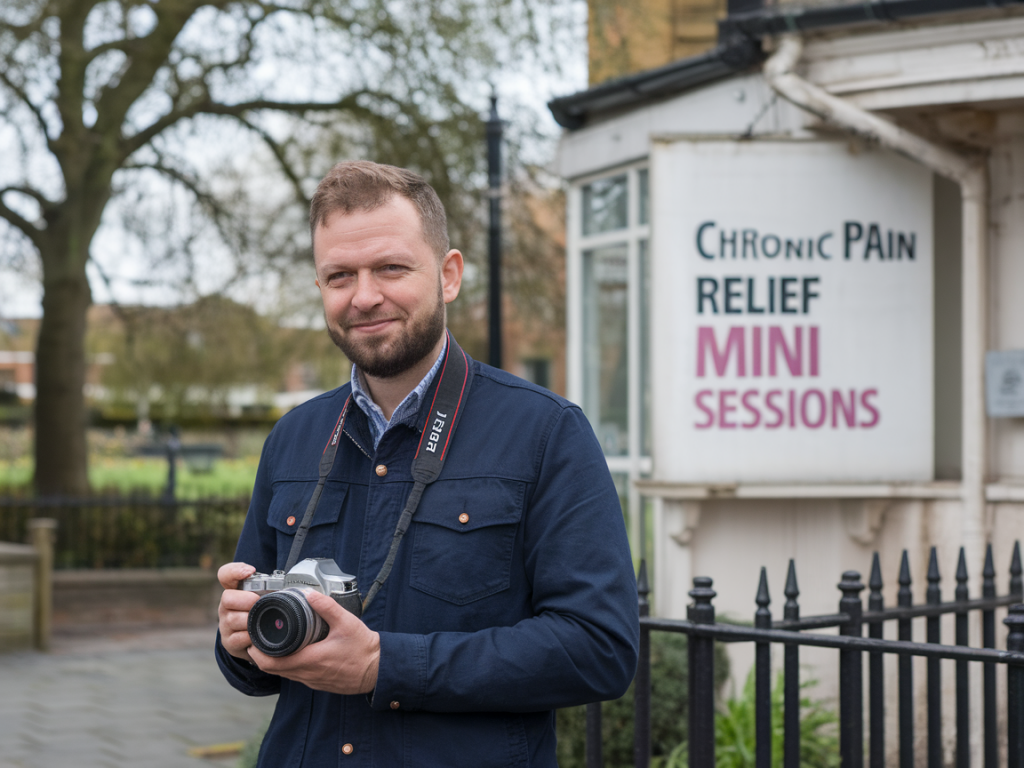
Finding a trustworthy mini‑session in Southwest London when you live with chronic pain can feel overwhelming. You want something short and accessible, but also safe, effective and tailored to your needs. Over the years I’ve helped many local clients navigate this exact choice, so here are the practical tips, local options and questions I recommend you use to find the right mini‑session for chronic pain relief.
What I mean by a "mini‑session"
By mini‑session I mean a focused treatment that lasts between 20 and 45 minutes. These are ideal for busy schedules, taster sessions, or targeted relief (for example, easing neck tension, a painful hip flare‑up or a stress‑related headache). Mini‑sessions are not a substitute for full therapeutic courses, but when chosen carefully they can provide meaningful, immediate relief and point you towards longer‑term care.
Why mini‑sessions can help with chronic pain
Mini‑sessions can be powerful because they:
- Offer rapid symptom relief through focused hands‑on techniques (reflexology, acupressure, massage).
- Provide practical self‑care tips you can use between appointments.
- Allow you to test a practitioner’s approach without committing to a full session or package.
- Fit into a workday or between errands—helpful if mobility is limited.
Where to look in Southwest London
There are several reliable routes to find trustworthy mini‑sessions locally:
- Local clinics and community health hubs — many clinics in Clapham, Balham, Tooting and Wimbledon advertise short sessions for busy clients. Check websites and community noticeboards.
- Specialist reflexology and complementary therapy practices — small practices often list 30‑minute Reflexology taster slots. Look for studios in Putney, Wandsworth and Battersea.
- Markets and wellbeing pop‑ups — South West London hosts regular wellbeing events where practitioners offer mini‑sessions. These are good for a first impression, though they’re not a substitute for a private treatment.
- Local Facebook groups and Nextdoor — these community platforms often have recommendations and first‑hand reports from neighbours.
- Reflexology or therapy networks — professional directories such as the Association of Reflexologists (UK) or Complementary and Natural Healthcare Council (CNHC) can help you confirm credentials.
How I vet a practitioner before booking
I always do a quick check for safety, suitability and rapport. Do this in the following order:
- Qualifications and insurance — ask what training they’ve completed and whether they’re insured. A professional reflexologist will usually list a recognised qualification and membership of a relevant body.
- Experience with chronic pain — ask if they’ve worked with your condition before (e.g. fibromyalgia, sciatica, osteoarthritis). Ask for examples of what they do differently when pain is central to the session.
- Session structure and goals — clarify what a mini‑session will include and what you can realistically expect in 20–30 minutes. A good practitioner will set achievable aims (reduce tension, suggest a home routine, or focus on a specific reflex/area).
- Contraindications and communication — they should ask questions about your medical history and medications and explain any situations where the treatment might be unsuitable.
- Sanitation and comfort — especially in a mini‑session environment, check that they follow good hygiene and that the setting is accessible and comfortable for you.
Questions to ask during a quick phone call or before booking
- How long is the mini‑session and what will it focus on?
- Do you have experience with my specific chronic pain condition?
- What training or professional memberships do you hold?
- Can you work around my mobility limits or need for extra support getting on/off a couch?
- What will you suggest I do at home after the session?
- Are you insured and do you have a cancellation policy?
Red flags to watch for
Be cautious if a practitioner:
- Makes dramatic cure claims or promises to eliminate chronic pain entirely after a single mini‑session.
- Does not ask about your medical history or medications.
- Pressures you into buying multiple sessions or expensive products without explaining the benefit.
- Has no contact details, no website or poor online reputation.
How to choose the right type of mini‑session for your pain
Different conditions respond better to different approaches. Here are some examples and what to look for:
- Localized joint pain (e.g. wrist, knee) — a targeted soft tissue mini‑massage or reflexology focused on related reflex zones can reduce tension and improve mobility. Choose practitioners who include gentle mobilisations and home stretches.
- Headaches and neck tension — cranial reflexology, neck massage or acupressure mini‑sessions work well. Check they use gentle techniques and offer relaxation breathing cues.
- Widespread pain (e.g. fibromyalgia) — you’ll want someone experienced in pacing and gentleness; reflexologists who specialise in chronic pain will tailor pressure and may offer alternating light touch.
- Nerve pain (sciatica) — choose a practitioner who coordinates with your healthcare provider and avoids aggressive pressure; look for sessions that focus on tension reduction and mobility rather than deep pressure.
Pricing, session length and what to expect
In Southwest London, mini‑sessions typically cost between £20 and £45 depending on length and location. Typical formats:
| 20 minutes | Quick targeted relief, often a taster. Best for headaches, hand or foot tension. |
| 30 minutes | Popular compromise—enough time for focused reflexology or a targeted massage plus quick self‑care advice. |
| 45 minutes | Deeper relaxation and more time to address a problem area and teach a short home routine. |
Always check whether the practitioner includes a short assessment as part of the mini‑session—this makes the treatment safer and more effective.
Practical tips for getting the most from a mini‑session
- Arrive with a clear description of your pain triggers and recent treatments.
- Wear comfortable clothing that allows access to the area being treated.
- Note any home exercises or small changes recommended and try them consistently for a week before judging effectiveness.
- Keep a brief log of pain levels pre/post session to evaluate benefit.
If you’re in Southwest London and want recommendations, I can point you to local practitioners in Clapham, Balham, Putney and Wimbledon who offer careful, evidence‑informed mini‑sessions for chronic pain. Choosing someone who listens, asks the right questions and gives realistic, supportive advice will make all the difference.