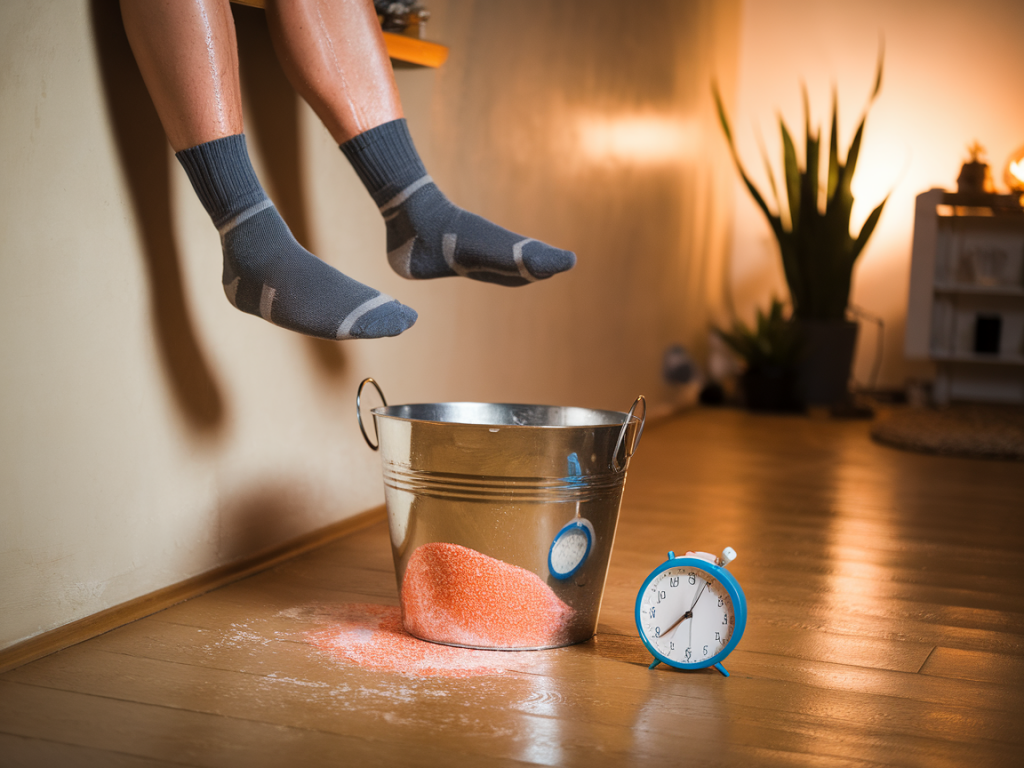
If you've ever woken in the middle of the night with legs that feel twitchy, crawling or impossible to settle, you're not alone. Restless legs can sabotage sleep, heighten anxiety and leave you exhausted the next day. Over the years in my reflexology practice I’ve found that combining a short, focused reflex protocol with a warm magnesium foot soak can make an immediate and practical difference for many people. Below I share a simple, evidence‑informed routine you can try at home — it takes about 15–20 minutes total and is designed to calm nervous system arousal and ease the sensations that keep you awake.
Why this combination?
Magnesium is a mineral involved in muscle relaxation and nervous system regulation. A warm magnesium foot soak (commonly using magnesium chloride flakes) can be deeply soothing: the warmth improves circulation and the magnesium can be absorbed through the skin to help ease muscle tension. Reflexology, focused on reflex points in the feet and lower legs, works through gentle pressure and touch to encourage parasympathetic (rest‑and‑digest) responses, reduce tension and create a sense of groundedness.
When I combine a short reflex protocol with a soak, the soak helps relax tissues and prime the nervous system, while the reflex work adds targeted, calming input to the sensory nerves and reflex maps associated with the lower legs and nervous system balance. The whole ritual is also a form of mindful self‑care, which in itself reduces arousal and improves sleep readiness.
What you’ll need
Warm footbath or shallow basin big enough for both feetMagnesium chloride flakes (brands I’ve used: Ancient Minerals or BetterYou Magnesium Flakes)Timer or watchComfortable chair and a towelOptional: a small massage oil (sweet almond, jojoba) for the reflex workSuggested magnesium amount: about 2 tablespoons (30 g) per litre of warm water — for a typical footbath use ~1–2 litres depending on basin size. Lower concentrations are fine if you’re new to foot soaks.
Preparing the soak (5–10 minutes)
Fill the basin with comfortably warm water — not scalding. Aim for around 36–38°C (96–100°F) if you have a thermometer; the surface should feel pleasantly warm.Add the magnesium flakes and stir until dissolved.Set a timer for 10–12 minutes. This gives enough time for warmth and absorption while being short and practical for nightly use.Sit somewhere relaxed, ideally with soft lighting and minimal distractions.The 7‑minute lower‑leg reflex protocol (perform after the soak)
Do the soak first. After 10–12 minutes, dry your feet gently with a towel and, if you like, apply a small amount of oil to make the reflex work smoother. The reflex protocol focuses on the calves, ankles and feet and can be completed in 7 minutes. Work slowly and mindfully.
Minute 1 — Grounding strokes: With both hands, use long, gentle stroking from the knees down to the feet (like effleurage). Repeat for 60 seconds to bring awareness and encourage venous return.Minute 2 — Calf pressure points: Using thumbs or the heel of your hand, apply firm but comfortable pressure along the length of the calf muscle on both legs. Focus on the midline and lateral borders for 30 seconds each leg. Keep the pressure steady and breathe slowly.Minute 3 — Ankle mobility and reflex point: Support the foot with one hand and use the other to gently rotate the ankle 6–8 times in each direction. Then, apply gentle circular thumb pressure to the ankle pit (just above the inner ankle bone) for 30 seconds per side — this area often releases tension connected to the nervous system.Minute 4 — Foot sole relaxation: Use the thumbs to make slow, sweeping motions across the sole from heel to toes, working left to right. Spend about 30 seconds per foot. Imagine smoothing the sole like spreading warm honey; keep movements calm and deliberate.Minute 5 — Reflexes for lower limb nerves: On the sole, identify the reflex zone roughly in the arch area (often associated with spinal/nerve pathways). Using a thumb, make small circular motions for 30 seconds per foot, slightly increasing pressure if it feels comfortable. This stimulates sensory feedback linked to nerve regulation.Minute 6 — Toe pulls and stretches: Gently hold each toe and give a small traction (pull) and wiggle for 5–6 seconds per toe. Finish by flexing and extending the toes as a group for 20 seconds. Toe mobilization can relieve distal tension that often contributes to restless sensations.Minute 7 — Calming finish: End with light, rhythmic tapping across the feet and lower calves with relaxed fingers for 30 seconds, then rest the hands on the feet for a final 30 seconds of still, soothing contact. Close with a few deep, slow breaths.Quick timing table
| Step | Duration |
| Magnesium foot soak | 10–12 minutes |
| Drying + oil (optional) | 1–2 minutes |
| 7‑minute reflex protocol | 7 minutes |
Safety and precautions
If you have open wounds, dermatitis, eczema or skin sensitivity on your lower legs or feet, avoid magnesium soaks until healed or use a lower concentration and patch test first.People with kidney disease should consult a healthcare professional before regular transdermal magnesium use.If you’re pregnant, check with your midwife or clinician first — reflex points around the ankles and lower legs can be stimulating for some people.Keep water temperature comfortable and avoid soaking if you feel faint or overly chilled.Practical tips to improve results
Make the ritual consistent: doing this 3–4 times a week is more likely to produce lasting improvements than a single treatment.Combine with good sleep hygiene: cool, dark bedroom, no screens 30–60 minutes before bed and limiting caffeine late in the day.Consider gentle evening movement like a short walk or calf stretches to reduce daytime tension.If sensations are severe or interfering with daily life, discuss them with your GP — restless legs syndrome can have medical causes (iron deficiency, medications, metabolic issues).Common questions I get from clients
Will this cure restless legs? Many clients report significant short‑term relief and improved sleep after consistent use, but restless legs can have several causes. This routine is a practical, non‑invasive way to reduce symptoms for many people, but it’s not a guaranteed cure for all underlying conditions.How often should I do it? I recommend a nightly or every‑other‑night routine for two weeks, then reduce to 2–3 times weekly if you notice consistent benefits.Can I use Epsom salts instead? Epsom salts (magnesium sulfate) can be soothing, but many find magnesium chloride flakes better for transdermal absorption. Both are worth trying; choose what feels best for your skin.What if my legs feel worse after the soak? Occasionally warmth can temporarily increase awareness of sensations. Dry your feet, try a cooler soak next time or shorten soak duration. If the reaction continues, pause and speak to a clinician.If you want a printable version of the 7‑minute protocol or a short audio to guide you through the routine, I can prepare resources to help you try this at home. Small, consistent steps like this can make evenings calmer and nights more restorative — and that’s something worth practicing.