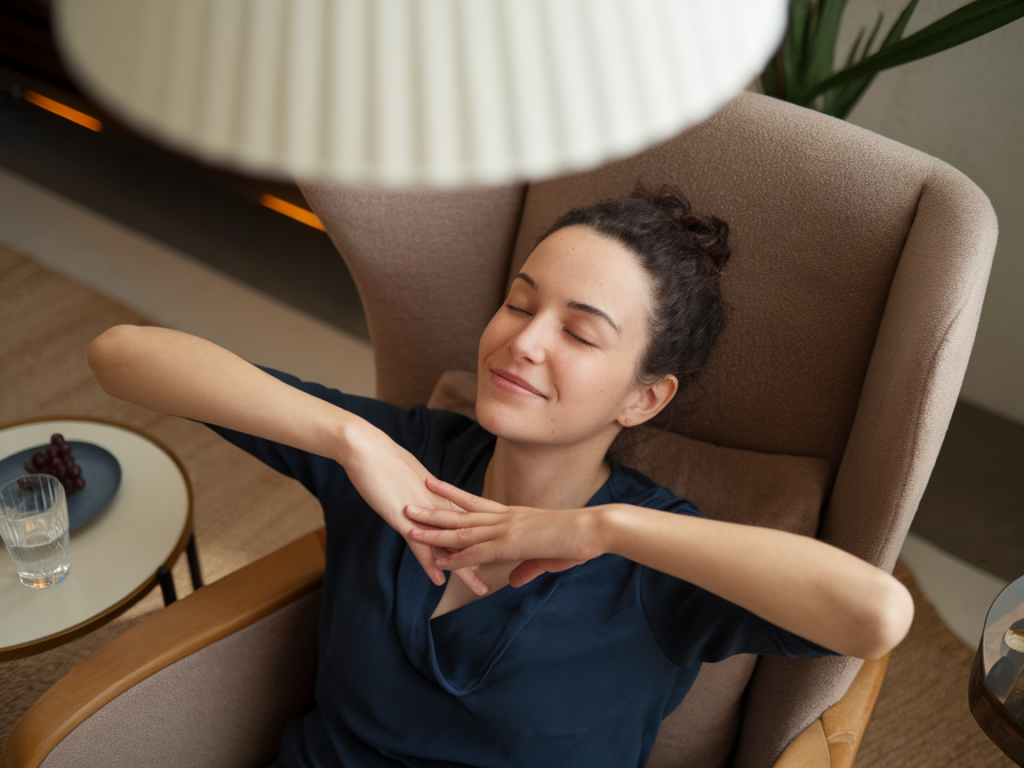
That 3pm slump — you know it well: heavy eyelids, foggy thinking, and an urge to reach for coffee. Over the years I’ve helped many clients break that cycle using gentle reflexology techniques paired with small, strategic snacks. What follows is a practical, evidence-informed 9-point reflexology routine plus a mini-meal plan designed to stop afternoon energy crashes without caffeine. Try it at home between work tasks or before you head into an evening activity. It’s compact, nourishing and easy to repeat daily.
Why reflexology and a mini-meal together?
Reflexology helps shift the nervous system away from stress and into balance by applying pressure to specific points on the feet (or hands). Paired with a mini-meal that stabilizes blood sugar and supports digestion, you get both immediate calm and steady fuel for the brain. The result: clearer thinking and sustained energy without the jittery spike-and-crash of caffeine.
When to use this routine
Do this when you notice an energy dip—typically 2–4pm—or as a preemptive 10–20 minute ritual when you know a busy afternoon lies ahead. You’ll need about 10–15 minutes for the reflexology sequence and 5–10 minutes for the mini-meal.
How to prepare
Find a comfortable seat with your feet easily accessible. Wash your hands and, if you like, your feet. Use a small amount of neutral oil (grapeseed, almond, or a light coconut oil) to reduce friction—just a few drops warmed in your palms. If you prefer, work on the hands instead; all reflex points described can be adapted for hand reflexology.
9-point reflexology routine (simple, gentle, effective)
Use firm but comfortable thumb-walking and circular pressure where noted. Breathe slowly and evenly—inhale through the nose for 4, exhale for 6—to accentuate relaxation.
Mini-meal plan: what to eat to avoid a crash
The mini-meal idea is to combine low-glycemic carbohydrates, a quality protein or fat, and a small amount of fibre to stabilise blood sugar. Keep portions modest—this is a snack, not a full meal.
| Time | Mini-meal examples | Why it works |
|---|---|---|
| 2–3pm | Greek yoghurt (unsweetened) + a handful of walnuts + ½ cup berries | Protein, healthy fats and fibre slow glucose release and support brain fuel |
| Before a long meeting | Wholegrain rice cake + 1 tbsp almond butter + sliced banana | Quick energy from banana + sustained release from nut butter |
| At your desk | Hummus + carrot sticks or a small apple + 10 almonds | Fibre and plant protein keep blood sugar steady and digestion calm |
| When you need calm focus | Sliced pear + piece of cheddar or a boiled egg | Protein and fat for steady cognition; pear provides gentle carbs |
Brands I often recommend for convenience: Fage or Glenisk for plain Greek yoghurt, Meridian or Pip & Nut for nut butters, and Trek or Nakd bars (choose ones with minimal added sugar) as emergency options. But whole foods are always best when possible.
Practical tips and troubleshooting
If you feel lightheaded after reflexology or a mini-meal, sit down, sip water and try a few slow breaths. If blood sugar swings are frequent despite these steps, consider a larger pattern: are your main meals balanced? Do you sleep enough? Chronic stress may blunt the routine’s effects, so use this as a complement, not a replacement, for medical advice.
Consistency matters. Try the reflexology + mini-meal combo daily for a week and notice changes in your alertness and mood. Many clients report a calmer, more sustained afternoon energy within just a few sessions.
Quick at-desk adaptation
No time to remove shoes? Use this shorter version on the hands:
Then have your mini-meal. You’ll still benefit from nervous-system regulation and glucose stabilisation without leaving your desk.
If you’d like a guided audio version of this sequence or a printable mini-meal shopping list, I can prepare one for subscribers to the Reflexology Southwest London Co newsletter. Small, regular practices like these are surprisingly powerful — they help you choose calm energy over caffeine dependency, one mindful break at a time.