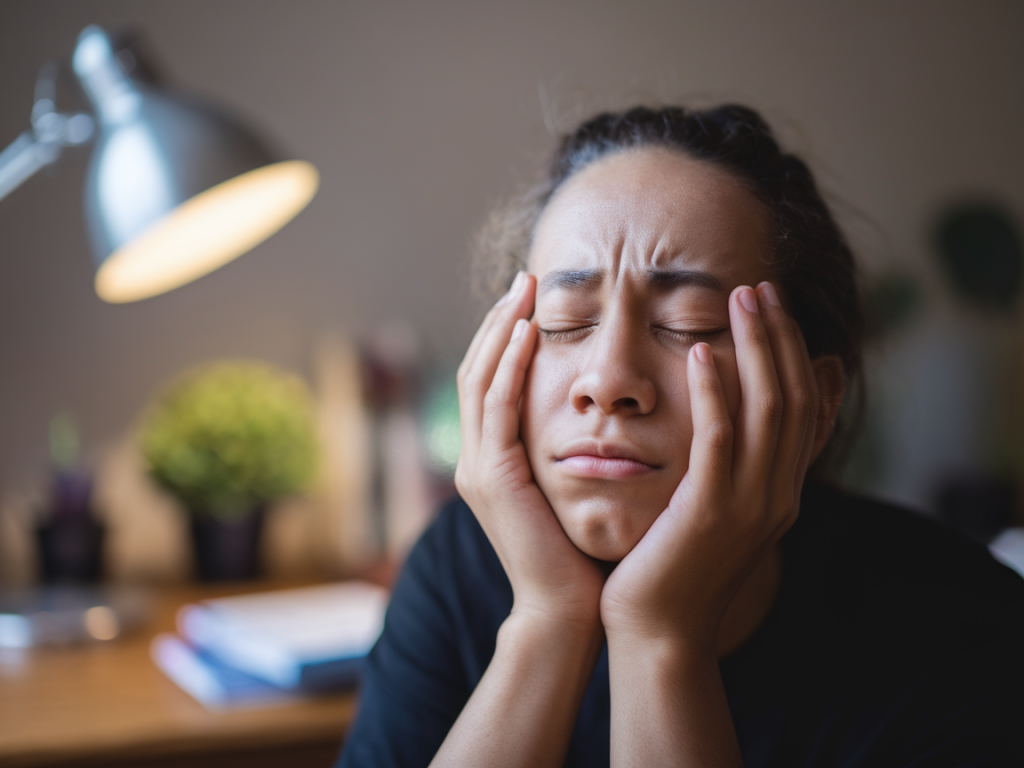
When my chest tightens and my thoughts start racing before an important meeting, I rely on a few precise reflex points and a short breathing script that calm my nervous system quickly and discreetly. These techniques are rooted in reflexology and breathwork, and they’re designed to be used anywhere — at your desk, in a meeting room doorway, or even quietly in the bathroom stall. Below I share the exact points I use, how to find them, and a simple, reproducible routine you can use in the 5–10 minutes before a big meeting.
Why reflex points and breathing work together
Reflexology works with the idea that specific areas of the feet (and hands) correspond to organs, systems and energetic zones. Applying gentle pressure to these areas can reduce sympathetic arousal and promote parasympathetic response — the “rest and digest” side of the nervous system. Breath regulates the autonomic nervous system too: slowing the breath down and extending the exhale activates calming pathways in the brainstem.
Used together, targeted reflex stimulation and a structured breathing script give your body a clear signal to downshift from panic to calm. The routine I describe is both practical and evidence‑informed: short enough to be done before a meeting, and focused on the exact points that reliably reduce anxiety.
The exact reflex points to use
Below are the reflex points I find most effective for acute panic or pre‑performance anxiety. You can apply these on the feet or the hands if you need to be discreet. Use firm but gentle pressure — strong enough to feel, not painful. Hold for 30–60 seconds and combine with the breathing script that follows.
| Point | Location | Why it helps |
|---|---|---|
| Diaphragm line | Across the ball of the foot, just under the base of the toes — horizontally across both feet; on the hand: across the base of the fingers | Supports breath regulation and reduces upper chest tightness |
| Solar plexus | Centre of the foot, just below the diaphragm line (slightly towards the instep) | Powerful calming center; reduces fight‑or‑flight response |
| Inner edge of big toe (head/brain point) | Along the inner border of the big toe; for hands use the inner edge of the thumb | Soothes racing thoughts, helps mental clarity |
| Adrenal/Stress point | Upper middle arch of the foot, slightly below the instep; on the hand use the fleshy pad under the base of the little finger | Helps reduce cortisol surge and tension |
| Ear/Anxiety point (hand) | On the hand: between the base of the thumb and index finger (the web), and on the foot: outer edge of the foot near the little toe | Works quickly for acute anxiety and nausea |
How to find and press each point
Use your thumb pad or the pad of your index finger. If you’re using feet and can remove shoes, sit with your ankle on your knee. If you must be discreet, the hands work well and are visible as a normal self‑soothing gesture.
- Diaphragm line: Press with a thumb and slide gently along the horizontal line under the toes. Use a short “thumb‑walk” technique: press, lift, move forward slightly, press again. Repeat across both feet or both hands for 30–60 seconds.
- Solar plexus: Hold steady pressure in the centre of the foot for 30–60 seconds. Breathe deeply into the area; you may feel a softening under your thumb.
- Inner edge of the big toe / thumb: Use the pad of your thumb to trace small circles along the inner edge for 30 seconds each side. Keep movements slow.
- Adrenal point: Apply firm pressure for 20–40 seconds and then release. Repeat once. This point can be sensitive — if it’s painful, reduce pressure.
- Ear/anxiety point: Pinch the web between thumb and index finger gently, hold for 10–20 seconds and release. Repeat up to three times.
Short breathing script to use with the points
Use this script as you press the reflex points. It’s designed to be quick, rhythmic, and to lengthen the exhale (which is key for calming). Aim for a 4.5–5 second exhale comfortably; if that’s too long, use an exhale slightly longer than the inhale.
Script (say mentally or in a low voice):
- “Breathe in for 3.” (inhale through the nose)
- “Hold for 1.” (very brief pause, optional)
- “Breathe out for 5.” (exhale slowly through pursed lips)
Repeat this cycle for 6–8 breaths while holding each reflex point for the recommended time. Combining the point and breath gives two simultaneous signals to your nervous system: tactile grounding and paced breathing.
A quick 3–minute routine before a meeting
If you have just a few minutes, try this compact routine that I use when I'm pressed for time:
- Minute 1: Sit, take off one shoe (or use the hands), and thumb‑walk the diaphragm line across both feet (or both hands) while doing 4 cycles of the breathing script.
- Minute 2: Hold the solar plexus point on both feet (or palms) for 3–4 breaths, focusing on a long exhale each time.
- Minute 3: Pinch the web between thumb and index finger (one hand at a time) 3 times while finishing with two slow, deep breathing cycles.
Discretion and practical tips
If you need to be unobtrusive during a meeting, use the hands: press the web space or inner thumb edge under the table or in your lap. Another discreet option is to keep a small lavender or chamomile inhaler (commercial roll‑ins or a simple handkerchief with essential oil) for a calming scent — but don’t rely on scent alone.
Bring water and sip slowly if you feel lightheaded. If seated, plant your feet firmly on the floor to ground yourself as you work the points.
Safety, limitations and when to seek help
Reflexology and breathwork are supportive tools, not replacements for medical or psychological care. If you have a history of panic disorder, PTSD, or severe anxiety, these techniques can help in the moment, but please continue with your prescribed therapy or medication and consult your clinician before making changes.
Avoid strong pressure if you have foot injuries, plantar fasciitis, recent surgery, or deep vein thrombosis. If any reflex point causes sharp pain, stop and use gentler pressure or switch to the hands.
If panic attacks are frequent, worsening, or accompanied by fainting, chest pain that feels cardiac, or other concerning symptoms, seek medical attention promptly.
Practical follow‑up
Practice this routine at home when you’re calm so it becomes automatic under stress. Over time, the nervous system learns the pattern and your body responds more quickly. I often recommend clients practice the 3‑minute routine daily for two weeks before relying on it for big events.
If you’d like a short printable cue card or a recorded breathing track to use before meetings, I can prepare those — just ask and I’ll send a simple resource you can keep on your phone or desk.