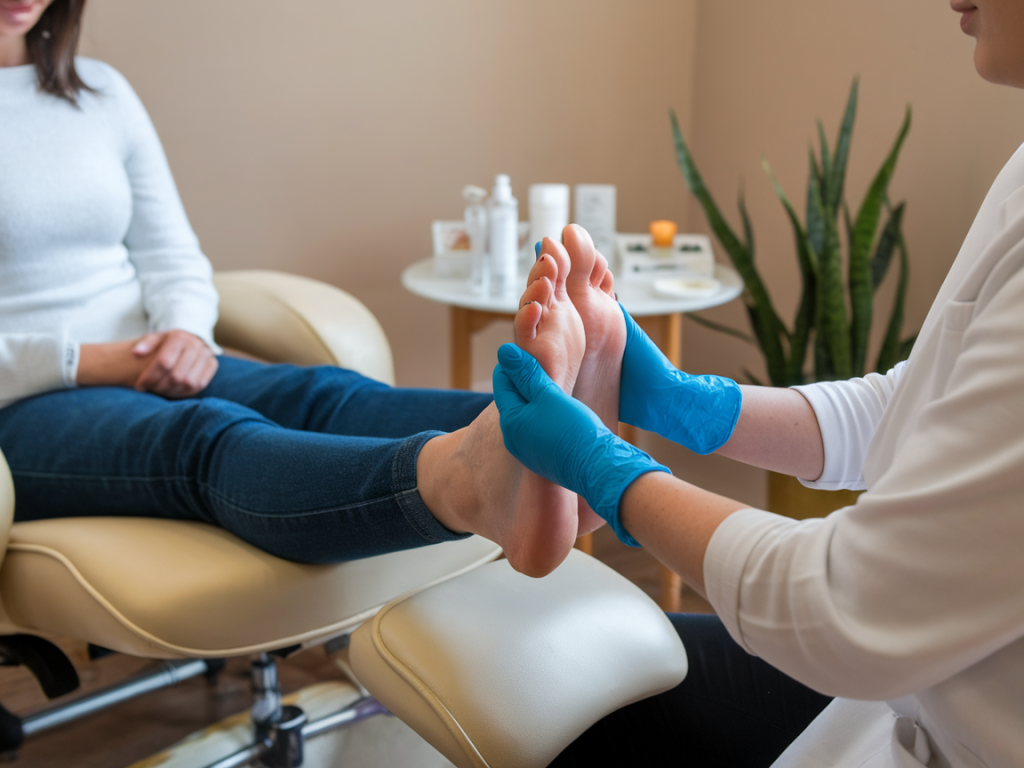
Arriving for your first reflexology session can bring up questions: What will happen? Do I need to do anything beforehand? Will it hurt? I’m glad you’re curious — I’ll walk you through exactly what I do at Reflexology Southwest London Co, what I ask of you, and what many clients notice during and after their first session. My aim is to demystify the process so you feel relaxed and confident before you even cross the doorstep of my treatment room.
Before you arrive: practical notes
I like to keep things simple. You don’t need to fast or change anything dramatic in your routine before a reflexology appointment, but a few small practical steps help the session run smoothly:
- Wear comfortable clothing that allows access to the lower legs and feet — loose trousers, leggings or shorts are fine.
- Try to avoid heavy meals immediately beforehand; a light snack is perfectly OK.
- If you take medication or have a medical condition (pregnancy, circulatory issues, recent surgery), please tell me when booking or bring any relevant notes.
- Allow extra time to arrive so you’re not stressed; I schedule sessions with transition time so you can arrive calm.
Arrival and consultation: getting to know you
When you come in, we begin with a short, friendly consultation. I’ll ask about your reasons for booking, any health history, medications, levels of stress, sleep patterns, digestion, and what you’d most like to change. This is a confidential conversation and usually takes 10–15 minutes.
I find the consultation important: reflexology is not just “foot massage”; it’s a therapeutic approach that respects your whole body and lifestyle. The information you give helps me tailor the treatment to your immediate needs — whether that’s easing tension, supporting sleep, or addressing digestive discomfort.
What the room and setup look like
The treatment room at Reflexology Southwest London Co is designed to be calm and welcoming. I use a comfortable recliner or treatment couch, soft blankets, gentle lighting and a choice of music or silence. If you prefer, I can use a lavender room spray (I often use Neal’s Yard or a high‑quality essential oil blend diluted in a diffuser) — but I’ll ask your preference first in case you have sensitivities.
Your feet will be comfortably supported and I’ll check the temperature and positioning before starting. I use warm, unscented balm or a light reflexology oil for ease of movement, and I always wash or sanitise my hands in front of you so you can relax.
The reflexology session: what I do and why
A typical first session lasts between 45 and 60 minutes, depending on what we agree during the consultation. The session usually follows this flow:
- Initial touch and assessment: I’ll gently hold and palpate the feet to become familiar with tension areas and sensitivity points.
- Technique work: I use a combination of classical reflexology techniques: thumb walking, finger pressure, and occasional rotational movements. These are focused on reflex points that correspond to different body systems.
- Breath and presence: I often invite you to tune into your breath. Mindful breathing enhances relaxation and can deepen the effects of the work.
- Sequence and balance: I typically work both feet in a sequence that aims to balance the nervous system and support circulation, lymph flow and energy pathways.
Reflexology is generally gentle. You may feel a range of sensations: warmth, tingling, deep relaxation, or occasional brief achiness at sensitive points — these are normal and usually ease during the session. I always adjust pressure to what feels comfortable for you; firm but never painful is my usual guideline.
During the session: what you might experience
People report different responses in their first session. Some fall asleep quickly, others become deeply reflective, and some notice emotional release — it’s all valid. Common experiences include:
- A deep sense of relaxation and softening of breath.
- Heightened body awareness — you might notice areas of tightness or a gentle wave of warmth moving through the feet and legs.
- Temporary sensations in the body related to the reflex areas worked — for example, a gentle stirring in the abdomen after working digestive reflexes.
- Emotional shifts — reflexology can support the nervous system and sometimes unlock feelings that surface as the body lets go of stress.
If anything feels uncomfortable or emotional, tell me — I’ll adapt the session and offer time to sit with whatever comes up. My role is to hold the space gently and professionally.
After the session: immediate and short‑term effects
After we finish, I’ll give you a few minutes to sit up, drink some water and re‑orient. Many clients report feeling light, calmer and surprisingly energised or pleasantly sleepy. It’s normal to feel a little tired the first day as your nervous system rebalances.
I usually recommend:
- Drink plenty of water for the rest of the day to help circulation and toxin clearance.
- Avoid heavy alcohol or intense exercise for several hours — gentle walking or restorative yoga is fine.
- Notice sleep patterns — often people sleep more deeply that night. Keep a simple note of any changes to digestion, sleep or mood to discuss at your next session.
Follow‑up and frequency: what I suggest next
For many conditions (stress, sleep, digestion) I recommend an initial block of 3–6 weekly sessions to build momentum and observe changes. For immediate relief or a one‑off relaxation boost, a single session can be very effective.
During follow‑up appointments we’ll review what changed and refine the approach. I also offer short self‑care routines you can use at home: simple foot reflex techniques, breathwork, and small nutrition ideas like magnesium‑rich snacks or calming herbal teas (I sometimes recommend Pukka or Traditional Medicinals blends) to support the reflexology work.
FAQs I hear often
| Will reflexology cure medical conditions? | Reflexology supports wellbeing and symptom relief but it’s not a substitute for medical care. I always work alongside your healthcare plan and will refer you back to a GP if needed. |
| Is reflexology ticklish? | Some people are ticklish briefly; I adapt touch to your comfort. Many clients report that the work settles the ticklish response quickly into deep relaxation. |
| Can anyone have reflexology? | Most people can, but there are contraindications (deep vein thrombosis, uncontrolled blood pressure, severe infections, etc.). I screen for these during consultation. |
If you’d like to book a first session, learn about local workshops or read more resources, visit my site at https://www.reflexologysouthwestlondon.co.uk. I aim to make each appointment a gentle, trustworthy step towards better balance — and I look forward to supporting your wellbeing in Southwest London.