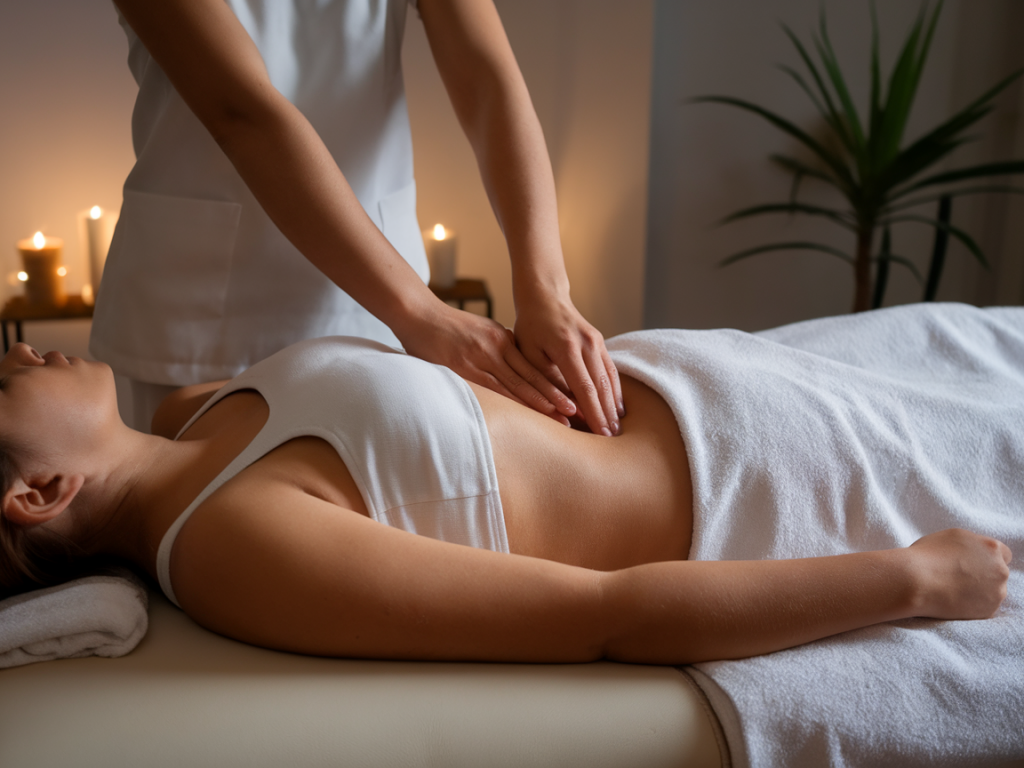
After a big meal — perhaps one of those lovely but overly generous Sunday roasts or a celebratory night out — I often hear the same complaint from clients: “I feel uncomfortably full, bloated, and sluggish.” I get it. Digestive bloating is common and can be quite distressing. Over the years, I’ve found that gentle reflexology techniques, combined with simple self-care habits, can bring fairly quick relief. Below I share practical reflex points, a short routine you can do at home, and some complementary tips (breathwork, herbal teas, and small dietary adjustments) that I personally use or recommend.
Why reflexology can help with bloating
Reflexology works on the premise that specific points on the feet and hands correspond to organs and systems in the body. Stimulating those points can help encourage circulation, stimulate the parasympathetic nervous system (the “rest and digest” branch), and support lymphatic flow — all helpful when your digestive system needs a little nudge. I always frame reflexology as complementary care: it’s a gentle, non-invasive way to support your body’s own regulation.
Key reflex points to focus on
Below are the reflex points I most often use when helping someone with post-meal bloating. You can locate and press these points on yourself with moderate pressure for 1–2 minutes each, using small circular motions or firm squeezing with the thumb.
Solar plexus (on the foot): Located in the center of the foot, just below the ball. This point helps calm the nervous system and can relieve stress-related digestive tension.Stomach reflex (on the sole): Found on the left foot between the ball and the arch — approximately under the big toe to the second toe area. Gentle pressure here can aid digestion and ease fullness.Small intestine reflex (arches): The central arch areas of both feet correspond to the small intestine. Slow, rhythmic movements along the arch help increase motility.Colon reflex (outer edge of the sole): Work along the outer edge of both feet: lower outer edge for the ascending colon (right side), upper outer edge for the descending colon (left side). Moving along this path can support gentle bowel movement.Diaphragm/upper abdomen (under the ball of the foot): Encourages deeper breathing and can relieve trapped wind.Hand reflexes: If you can’t access your feet easily, many of these points have hand equivalents — particularly the solar plexus (center of the palm) and stomach area (base of the thumb). Hands are great for quick self-help while seated.A simple 10–15 minute reflex routine to try after a heavy meal
This routine is designed to be calming and effective without being strenuous. I often teach it in workshops because it’s easy to remember and can be done seated in a chair.
Find a comfortable seat. Take 3 slow, diaphragmatic breaths: inhale for 4, hold 1–2 seconds, exhale for 6. Focus on lengthening the out-breath.Warm the hands by rubbing them together, then hold the heel of one foot with both hands for a moment to ground your attention.Start with the solar plexus point (both feet): press with your thumb in gentle circular motions for 1–2 minutes per foot. Breathe slowly.Move to the stomach reflex on the left foot: use the pad of your thumb to make small clockwise circles for 1–2 minutes. Clockwise is the direction of natural digestion.Work both arches with long, gliding pressure from the ball to the heel to cover the small intestine area — 1–2 minutes each foot.Trace the colon reflex along the outer edges (ascending, across the soles, then descending) with gentle compressions, spending about 1 minute on each section.Finish with the diaphragm area under the ball of the foot: use light kneading and then finish by holding both big toes and gently stretching for balance. Take a few more slow breaths.Breath and posture to enhance the effects
Reflexology works best when the nervous system is calm. After a heavy meal, avoid slouching — simple upright sitting helps digestion. Combine the routine with paced diaphragmatic breathing. One of my favourites is this quick cycle:
Inhale gently through the nose for 4 counts, letting the belly expand.Pause for 1–2 counts.Exhale slowly through the mouth or nose for 6–8 counts, feeling the belly soften.Repeat for 4–6 cycles during your reflex sequence. This encourages vagal tone and supports digestive motility.
Complementary self-care: herbs, movement and timing
Alongside reflexology, these small habits often make a big difference:
Peppermint tea: A classic for bloating — peppermint oil helps relax the gut. Choose a caffeine-free tea like Twinings or Pukka (my go-to for herbal blends).Ginger: Fresh ginger tea or even a slice of crystallised ginger can support digestion and reduce nausea and gas.Walk gently: A 10–15 minute slow walk after eating can stimulate the digestive system without jarring it. Avoid vigorous exercise right after a large meal.Hydration: Sip warm water or a mild herbal infusion rather than lots of cold liquid immediately with the meal, which can slow digestion for some people.Magnesium or digestive enzymes: Some people find a short-term supplement helpful (magnesium glycinate for muscle relaxation, or a digestive enzyme before particularly rich meals). If you try supplements, check with your GP or a nutritionist. Brands like Solgar or OptiBac (for probiotics) are widely available in the UK.When to be cautious and seek medical advice
Most post-meal bloating is transient and manageable at home. However, seek medical advice if you experience any of the following:
Severe, persistent abdominal painUnexplained weight lossBlood in stools or persistent changes in bowel habitsRecurring, intense bloating that doesn’t respond to lifestyle measuresThese signs warrant further investigation by your GP.
Practical tips I share with clients
Over the years I’ve noticed a few patterns that help people reduce the frequency and severity of bloating:
Eat mindfully — slow down, chew well and avoid talking with your mouth full. Swallowed air increases bloating.Reduce very fatty or highly processed meals if you notice they trigger symptoms.Keep a simple food diary for a few weeks — sometimes hidden triggers (dairy, certain beans, or fizzy drinks) become obvious quickly.Practice the 10–15 minute reflex routine regularly, not just after big meals. Consistency helps regulate the nervous system and digestion over time.If you’d like, I can guide you through this routine in a 1-to-1 session, tailor it to your specific symptoms, or teach it in a small group workshop. These simple, accessible tools often bring relief and help people feel more confident managing post-meal discomfort themselves.