I often tell clients that feet are honest: they carry our stories, our posture, our shoe choices and, yes, our stubborn habits. As a reflexologist working in Southwest London, I see how small, intentional changes in footwear, skin care and simple self‑care routines can make reflexology sessions more comfortable and more effective. Below I share the practical, evidence‑informed tips I give clients before they come for a treatment — things you can try at home in the hours or days leading up to a session to help your body relax and respond better.
Why foot prep matters
Reflexology is a gentle, hands‑on therapy that uses pressure on specific areas of the feet to encourage relaxation and balance. If your feet are dry, sore, or encased in tight shoes, your nervous system can interpret touch as irritation rather than invitation. Preparing your feet helps to:
- reduce physical barriers to touch (calluses, thick nails, excessive dryness);
- lower sensory defensiveness so you feel more relaxed during a session;
- improve circulation to the feet, which enhances the practitioner’s ability to work with reflex points;
- support longer‑lasting benefits through small home practices you can repeat.
Simple steps to prepare the skin
You don’t need a spa ritual to have soft, receptive feet — consistency matters more than complexity. Here are the routines I recommend:
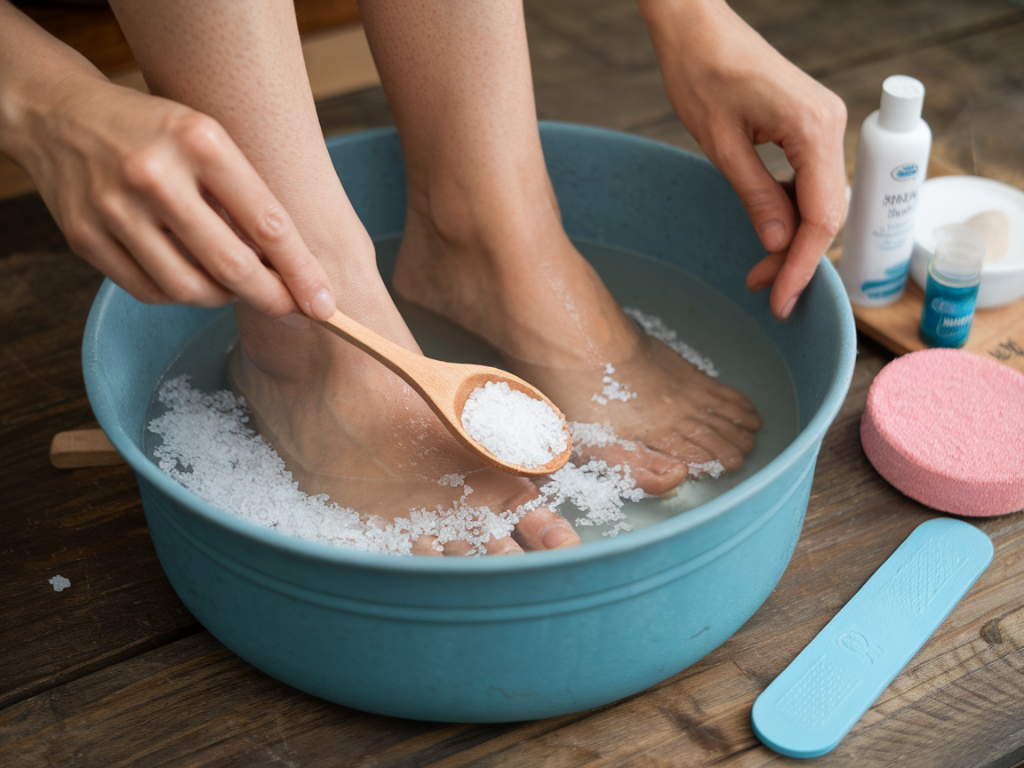
- Soak briefly: A 10–15 minute warm foot bath a few hours before your session can help soften the skin and relax muscles. Add a handful of Epsom salts or a teaspoon of gentle bath oil. Avoid very hot water which can inflame sensitive skin.
- Exfoliate gently: If you have visible flakiness or callused areas, use a pumice stone or a gentle foot scrub once or twice in the week before your appointment. Don’t over‑scrub on the day of the session — mild exfoliation 24–72 hours prior is enough.
- Moisturise mindfully: Apply a non‑greasy foot cream the evening before your session rather than right before you arrive. Products like Neutrogena Norwegian Formula Foot Cream or Weleda Sea Buckthorn Replenishing Foot Cream are effective without leaving a heavy residue. If you prefer natural options, a thin layer of coconut oil the night before works well.
- Clip nails carefully: Trim toenails to a comfortable length, straight across to avoid ingrown nails. Avoid painting nails on the day of the session if you want your reflexologist to see nail colour and condition — changes can be clinically informative.
Shoes and socks: what to choose
Your footwear choices in the days leading up to your appointment can influence how your feet feel and how effective the session is.
- Support over style: Choose shoes that offer good arch support and a roomy toe box. Brands I often hear positive feedback about include Birkenstock, Vionic and Clarks. They’re not glamorous, but they reduce stress on the structures of the foot.
- Avoid new or tight shoes: Don’t break in new footwear right before a reflexology session. Blisters, hotspots and tightness create unnecessary discomfort and will interfere with relaxation.
- Natural fibres for socks: Wear socks made from cotton or bamboo rather than synthetic materials to help your feet breathe. If you arrive with damp or sweaty socks, change into a fresh pair — moisture encourages friction and discomfort.
- Remove orthotics when needed: If you wear custom orthotics, discuss with your practitioner whether to remove them for the session. Sometimes, working without orthotics allows for better access to reflex zones; other times, keeping them in place can be more comfortable for people with postural issues. I’ll always ask about this and adapt.
What to avoid before a session
Certain habits can blunt the effects of reflexology or create extra sensitivity. Try to avoid these in the 24 hours before your appointment:
- intense lower‑body exercise (long runs, heavy squats) that leaves the feet inflamed;
- applying very strong analgesics or numbing creams to the feet;
- excessive alcohol, which dehydrates tissues and affects nervous system sensitivity;
- using heavily fragranced creams immediately before arrival — strong scents can be overwhelming in a small therapy room.
Home practices that amplify the session
Small daily rituals between appointments do a lot of work. These are easy to fit in and help the nervous system stay calm, so reflexology has a cumulative effect:
- 5‑minute foot massage: Each evening, take five minutes to massage your feet with a lotion or oil. Focus on slow, gentle strokes and breath with each movement. This not only feels good but increases proprioception and circulation.
- Toe spreads and ankle rolls: Simple mobility exercises like spreading toes, writing the alphabet with your big toe, or slow ankle circles help maintain flexibility and reduce stiffness.
- Mindful awareness: When you’re standing or walking, notice any habitual posture, such as putting more weight through one side. Gentle awareness can reduce chronic overloading patterns.
What I appreciate when clients tell me
Open communication helps me tailor treatment. Before or at the start of a session, I appreciate when clients tell me:
- if they’ve had recent foot surgery, infections, or reductions in sensation (diabetes, neuropathy);
- if they’re taking blood thinners or have circulatory issues;
- any areas of acute pain or recent injuries;
- their usual shoe habits and whether they use orthotics.
Quick product table — for easy reference
| Purpose | Recommended examples |
| Gentle foot cream | Neutrogena Norwegian Formula, Weleda Sea Buckthorn |
| Supportive everyday shoes | Birkenstock, Vionic, Clarks |
| Foot soak ingredient | Epsom salts, lavender bath oil (a few drops) |
| At‑home tool | Pumice stone, soft‑bristle foot brush |
When to check with a clinician
Reflexology is safe for most people, but there are times when I advise clients to see a GP, podiatrist or specialist before treatment. Contact a clinician if you have:
- open wounds, untreated infections or persistent ulcers;
- severe peripheral neuropathy (loss of sensation) or circulatory disorders without medical clearance;
- recent foot fractures, deep vein thrombosis risk or unexplained swelling;
- skin conditions that are spreading or very inflamed.
Preparing your feet for a reflexology session is less about perfection and more about paying attention. A simple warm soak, light exfoliation a day or two beforehand, supportive shoes and a short nightly foot massage will make a real difference to comfort and outcomes. If you’re ever unsure which products or steps suit your particular feet, bring your questions to your session — I’m always happy to advise personalised tweaks so each visit feels restorative and safe.