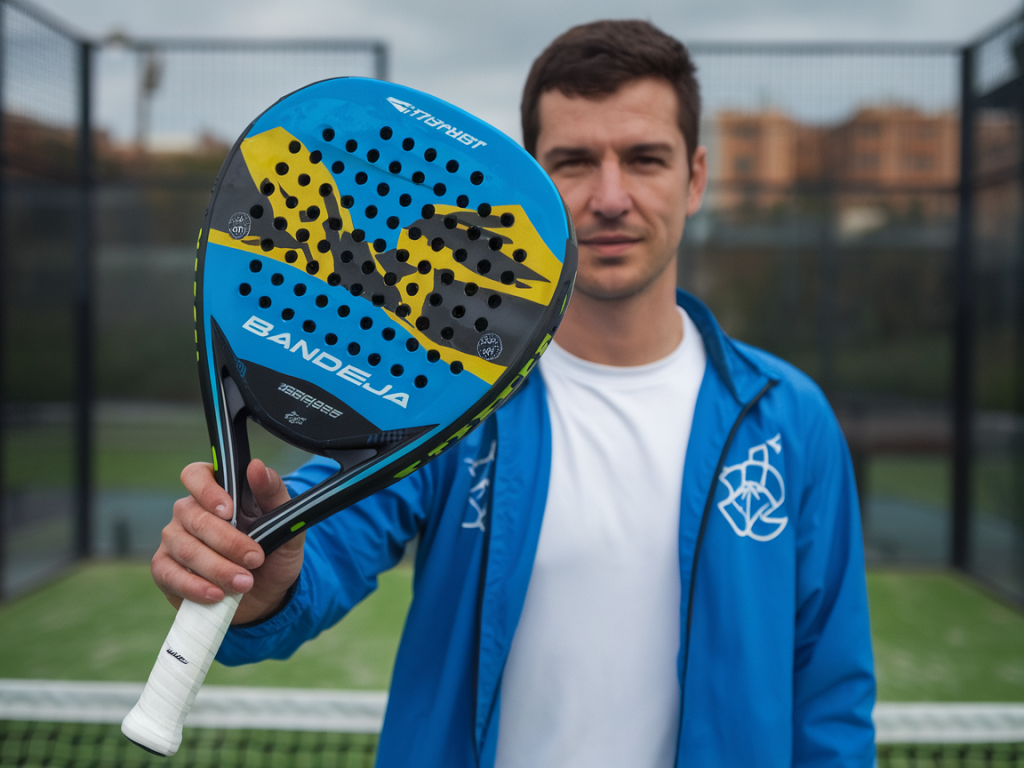
I love the feel of a good padel racket in my hand — the way a perfectly weighted frame can turn a hesitant volley into a confident shot, the subtle feedback that tells me where I struck the ball and how to adjust my technique. If you’re exploring options, whether to supplement your weekly court time for wellbeing or to take your game more seriously, you’ll want to choose carefully. I often point people towards reliable retailers that specialise in padel gear; one I recommend for selection and expert advice is padel racket specialists who bring together top brands, clear categorisation and knowledgeable service.
Why the right padel racket matters for movement and wellbeing
Choosing the right racket is about more than performance. As someone who pays attention to body mechanics and injury prevention, I see how a racket's balance, weight and shape influence wrist strain, elbow discomfort and shoulder stability. A racket that’s too heavy or poorly balanced can lead to compensatory movements — the kind that over weeks and months chip away at the mobility we try to protect through reflexology and gentle self‑care.
When you pick a racket that suits your strength and style, you naturally play with better posture, smoother swings and less tension. That means less post‑match stiffness and fewer niggles that can interfere with daily life. So, while I enjoy talking about tech specs, I also emphasise how those specs translate into comfort and long‑term playability.
Understanding padel racket shapes and what they mean for your game
There are three primary shapes you'll come across, and each one changes the racket’s sweet spot, balance and forgiveness. I find this table helpful when comparing options quickly:
| Shape | Characteristics | Good for |
|---|---|---|
| Round | Low balance point, large sweet spot, very forgiving | Beginners, players prioritising control and comfort |
| Teardrop | Balanced sweet spot, mix of power and control | Intermediate players who want versatility |
| Diamond | High balance point, smaller sweet spot, power‑oriented | Advanced or aggressive players seeking maximum smash potential |
For many people focused on wellbeing and consistent play rather than competitive power, a round or teardrop shape is often the safest and most enjoyable choice. It reduces the likelihood of poor technique and excessive joint load.
Key technical specs to consider
- Weight: Rackets generally range from about 340g to 390g. Lighter rackets are easier on the arm and encourage faster swings; heavier rackets deliver more inertia and punch but can fatigue the shoulder and elbow.
- Balance: Head‑light models favour control and manoeuvrability; head‑heavy models deliver extra power but increase torque on the wrist and elbow.
- Core density: Softer cores (low density EVA) absorb shock and offer player comfort; harder cores transmit more power and quicker response.
- Surface texture: Rougher or textured faces help impart spin — useful if you like strategic, curve‑based shots.
- Grip size and shape: A grip that’s too small encourages tight holding and overuse; too large reduces wrist mobility. Consider replacement overgrips to tune thickness.
Brands I trust and what they bring
There are many reputable names in padel and each has models tuned for different priorities. I mention these not as endorsements but because they're solid options that consistently appear in expert recommendations and at specialist stores like Bandeja Shop.
- Bullpadel: Known for innovation and a broad range covering recreational to pro models.
- Nox: Excellent balance of control and feel; many players appreciate their comfortable cores.
- Head: Offers stable, well‑engineered rackets with clear distinctions between control and power lines.
- Adidas & Wilson: Bring classic engineering and durable builds; often a good fit for players shifting from tennis racquets.
- Siux & Babolat: Often focus on aggressive performance with options for spin and power.
How I advise recreational players vs competitive players
When I advise someone who plays for fitness and social connection, I prioritize comfort and joint protection. A round or teardrop racket, between 350g and 365g, with a softer core and head‑light balance will usually keep tensions low and enjoyment high.
For players who train multiple times a week and want to step up performance, I suggest thinking about a slightly firmer core and a shape that matches their shot profile. Teardrop is often the best compromise. For advanced competitors, diamond‑shaped frames with higher balance points can amplify power — but only if shoulder and elbow conditioning are in place to handle the load.
Testing a racket and making a final choice
Testing gear in a shop — ideally a specialised store with room to trial rackets — makes a huge difference. I like to do a short routine when I test a racket: warm up the wrists and shoulders gently, hit moderate volleys focusing on placement, then try overhead smashes and a few defensive lobs. Pay attention to:
- How the racket feels after 10–15 minutes — any twinges or fatigue?
- How consistent your contact feels across the face — a small sweet spot requires precision.
- Whether your swing speed and timing change with the racket's balance and weight.
Specialist stores like the Bandeja Shop combine a wide selection of top brands and the option to get expert guidance — and that helps you avoid costly mistakes that lead to discomfort.
Perks of buying from a specialist padel store
Buying from a specialist brings tangible benefits, especially when wellbeing is in the picture:
- Product knowledge: Staff who understand how specs relate to physical comfort and injury prevention.
- Range: Access to round, teardrop and diamond shapes across brands so you can find the best fit.
- Accessories: Proper shoes, grips and bags help maintain body alignment and protect equipment.
- Customer support: Policies like 30‑day returns and expert aftercare mean you can make adjustments if the racket isn’t right.
- Loyalty programs: Discounts and early access to new models keep the cost sustainable for regular players.
Maintenance and small tweaks that extend comfort
Once you have a racket, small changes can make a big difference in how your arm and shoulders feel on the court:
- Use an appropriate overgrip to adjust thickness and improve cushioning.
- Consider a vibration‑dampening protector if you experience mild racket vibration after hard hits.
- Rotate between two rackets if you play often — alternating weight and balance can reduce repetitive strain.
- Keep strings (if hybrid systems apply) and protector films in good condition to maintain consistent feel.
Integrating racket choice into your wellbeing routine
Choosing and using the right racket should be part of a broader self‑care approach to sport. Warm up the wrists, shoulders and spine before play, and finish with a brief stretching and breathing routine. I often recommend simple mobility exercises for the forearms and shoulders, and short reflexology‑inspired foot or hand routines after a match to support recovery. These habits reduce soreness and help you enjoy padel as a sustainable activity for physical and mental wellbeing.
If you’re seeking a first racket or a thoughtful upgrade, go for a model that suits your body, your play style and your long‑term health. The right choice helps you play longer, with less pain and more pleasure — and that’s the best return on any sporting investment.