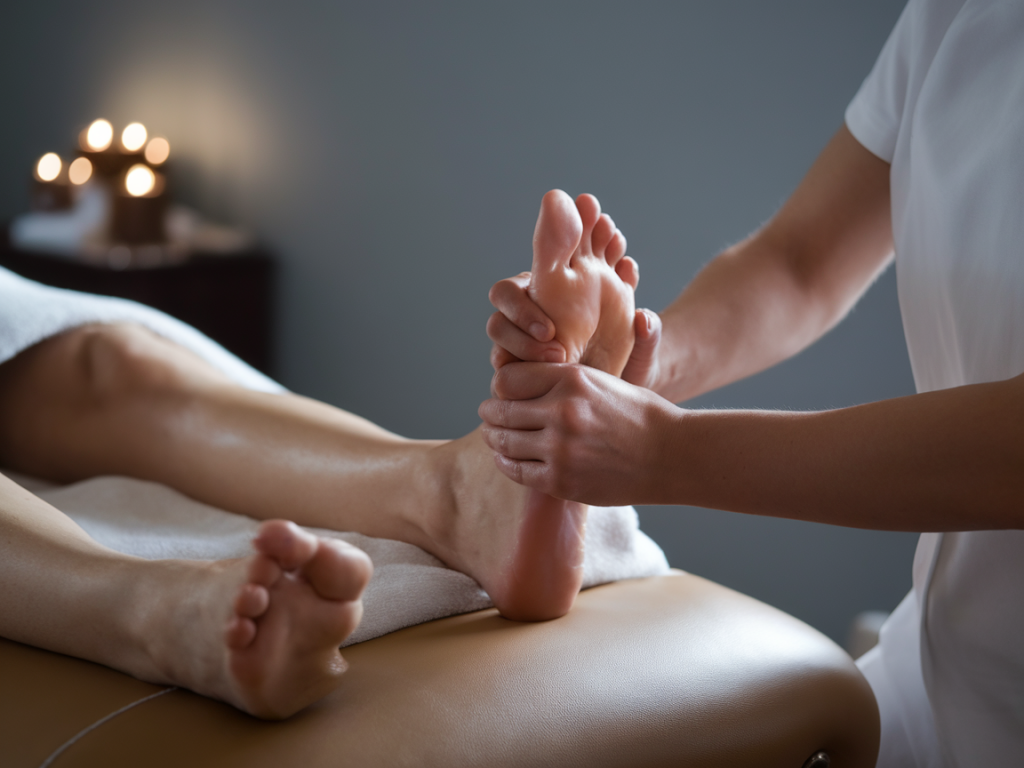
Preparing well for a reflexology session makes a real difference to how deeply you relax and how long the benefits last. Over a decade of working with clients in Southwest London has taught me that the small choices you make before and after a session often determine whether reflexology is a one-off feeling of calm or a sustainable shift in sleep, digestion, pain and mood. Below I share practical, evidence‑informed steps you can take to get the most from your treatment.
Arrive with a clear intention
Before you come to your appointment, take a moment to set a simple intention. It doesn’t need to be grand — something like “I want better sleep” or “I want to release the tension in my shoulders” is enough. I often ask clients to tell me their intention at the start of a session; it helps guide the treatment and anchors your nervous system. An intention focuses your mind and primes your body to receive the treatment more fully.
Hydration matters — especially water
Being well hydrated before and after reflexology helps circulation and the body’s natural detox pathways. Drink a glass of water in the hour before your session; avoid large quantities right before lying down so you won’t be uncomfortable. After the session, sip water regularly for the rest of the day. Herbal teas (chamomile, lemon balm) can also support relaxation. I usually recommend avoiding caffeine immediately before a session because it can make it harder to reach a relaxed state.
What to wear (comfort is key)
Wear loose, comfortable clothing that allows you to roll up trousers or pant legs easily. For foot reflexology, bare feet are usual; for hand or ear reflexology, short sleeves help. Avoid tight belts, heavy necklaces or restrictive shoes. If you like, bring socks to slip on after the session — some clients feel chilly as circulation redistributes, and a soft pair from brands like Uniqlo or Marks & Spencer works well.
Timing: when to book your session
Try to schedule reflexology at a time when you can relax afterwards. Early evening sessions often work well for people seeking improved sleep; post‑work sessions can help release the day's tension. If you book right before an important meeting or commute, the full relaxation response may be cut short. I also suggest avoiding heavy exercise in the hour following a session — gentle walking is fine and often beneficial.
Food and alcohol guidelines
Avoid heavy, greasy meals immediately before your appointment. A light snack an hour or two before (yogurt, fruit, a small sandwich) is fine. Alcohol can blunt the nervous system’s ability to relax and may interfere with your body’s responses, so it’s best avoided for at least 24 hours before a treatment. If you’re trying reflexology for the first time, arriving sober ensures you’ll experience the session clearly and safely.
Medication and health information
Be open with your reflexologist about any medications, recent surgeries, infections, circulatory issues or pregnancy. Reflexology is generally safe, but there are modifications for certain conditions (for example, deep vein thrombosis, severe osteoporosis, or early pregnancy in some practices). Bring a short list of current medications or health concerns so we can tailor the session to your needs. This information helps me adapt pressure, avoid areas that need caution and plan appropriate aftercare suggestions.
Breathing and arrival mindset
When you arrive, give yourself five minutes to breathe. Even simple box breathing (inhale for four, hold for four, exhale for four, hold for four) calms the nervous system and primes the body for deeper relaxation. I guide clients through a brief breathing exercise at the start of most sessions; you can practice this at home before your appointment to get comfortable with the rhythm.
Questions to ask your reflexologist
It’s perfectly okay to ask questions. Here are a few that I encourage clients to consider:
Knowing the answers builds trust and helps you feel more in control.
Aftercare to extend the benefits
After your session, treat yourself gently. Rest if you can, avoid heavy alcohol or intense exercise, and continue to hydrate. It’s common to feel sleepy, emotionally lighter, or even to notice increased urination — these are normal signs your body is integrating the session. Using a warming compress on sore areas or taking a warm (not hot) bath with magnesium flakes or Epsom salts can deepen the relaxation response.
Simple home routines that support long-term results
Reflexology is most effective when combined with consistent self-care. Here are some easy practices I recommend:
Tools and products I often suggest
A few items I find helpful for clients to use at home:
Choose fragrance-free options if you have sensitive skin or are prone to headaches.
How many sessions and what to expect
For acute issues, a few focused sessions (3–6) spaced weekly can produce quick relief. For chronic conditions or longstanding stress patterns, a program of weekly sessions for 6–12 weeks, tapering to monthly maintenance, often gives the most durable results. I always tailor the plan to individual goals, lifestyle and budget. Progress isn’t linear — you might feel immediate relief, then subtle changes over days — and both are valuable.
Finally, remember that reflexology is a partnership. Your preparation — from hydration to mindset — combines with the hands‑on skills of the practitioner to create deeper, longer-lasting results. By arriving with a clear intention, being honest about your health, and following simple aftercare and home routines, you’ll be giving yourself the best chance of lasting change.