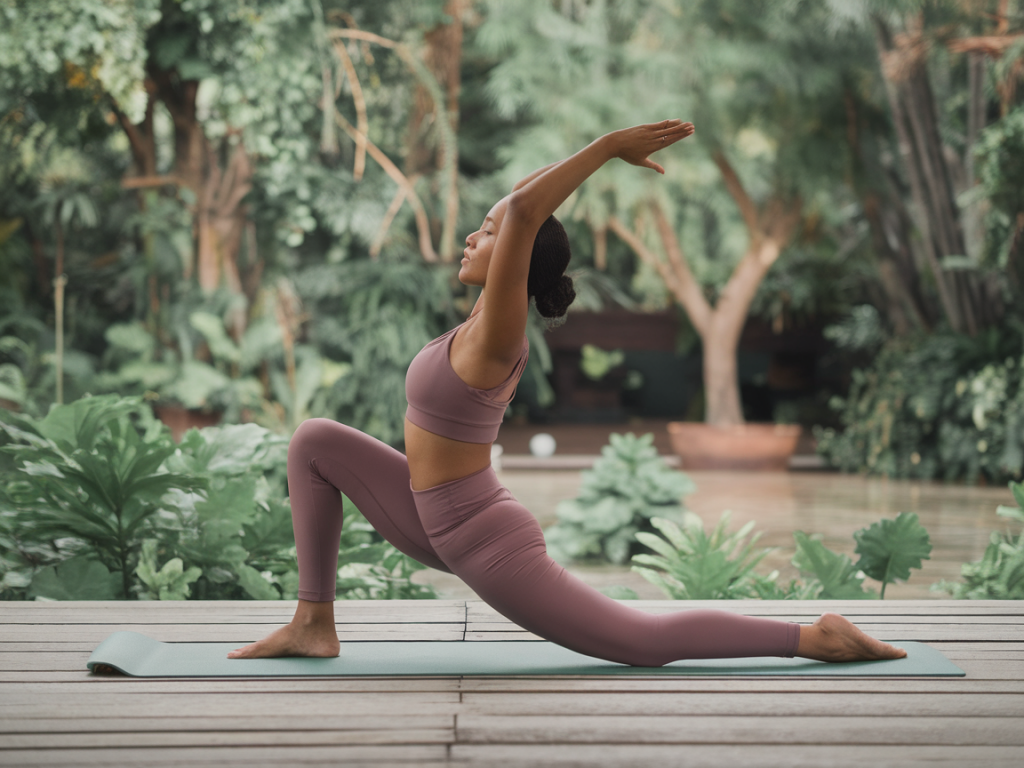
When I need a gentle pick‑me‑up without reaching for coffee, I turn to a compact, 20‑minute routine that combines reflexology principles, breathing, movement and small sensory cues. It’s the kind of practice I often share with clients in Southwest London when they tell me they want sustained energy without the afternoon slump. It’s practical, evidence‑informed and designed to be done at home, at a desk or between errands.
Why this approach works
Energy isn’t only about how much rest you’ve had — it’s about circulation, nervous system regulation and the small choices you make throughout the day. Reflexology can stimulate parasympathetic and sympathetic balance, breathwork oxygenates the body and brief movement increases blood flow. I’ve combined these elements into a focused routine that targets common low‑energy drivers: sluggish circulation, shallow breathing and mental fog.
What you’ll need
- A comfortable chair or a yoga mat.
- A small ball or foot roller (tennis ball works fine) for foot reflexology.
- A lightweight scarf or towel for shoulder mobilisations.
- Optional: a peppermint essential oil or an energising citrus blend (like lemon or sweet orange) for a quick sensory lift.
Timing overview
| Segment | Duration |
| Grounding & breath | 3 minutes |
| Foot reflexology & stimulation | 6 minutes |
| Upper body mobility & self‑massage | 6 minutes |
| Standing energiser & quick reset | 5 minutes |
Grounding and breath (3 minutes)
Sit comfortably with your feet flat on the floor. Close your eyes if it feels safe. I often ask clients to place one hand on their belly and one on the chest to notice how they breathe. For this routine, use a simple 4‑4‑6 pattern: inhale through the nose for 4 counts, hold for 4, exhale slowly for 6. Repeat for three full cycles.
If you have peppermint or citrus oil, place one drop on your wrist and inhale gently between breaths to sharpen your focus. This sensory cue can do wonders for alertness without stimulants.
Foot reflexology & stimulation (6 minutes)
Your feet are an excellent place to start when you need to wake up the body. I like to use a firm ball (tennis, lacrosse or a dedicated foot roller). Sit with one foot on the ball.
- Roll the ball from your heel to the ball of the foot for 1 minute, applying a comfortable pressure — enough to feel a release but not pain.
- Focus on the centre of the sole for 30 seconds. This area often releases tension connected to the diaphragm and breath.
- Using your thumb, work short, rhythmic presses along the inner edge of your foot (the reflex area linked to the spine and central energy). Spend about 1 minute.
- Finish with gentle circular massages around the base of the toes for 30 seconds to stimulate circulation to the head and face.
Repeat on the other foot. The whole segment should take around 6 minutes. This increases local circulation, stimulates proprioception and creates a subtle lift in alertness.
Upper body mobility & self‑massage (6 minutes)
Now move your attention to the neck, shoulders and chest — areas that hold fatigue. Use a towel or scarf for light traction and mobility:
- Interlace your fingers behind your head and draw your elbows wide. Take 3 slow, deep breaths here to open the chest.
- Place the towel behind your neck and gently pull it down while tucking your chin slightly in — this gives a gentle decompression for the cervical area (30 seconds).
- Roll each shoulder slowly 6 times in each direction while breathing deeply.
- Self‑massage the trapezius: use your opposite hand to knead along the ridge from shoulder to neck for 1 minute each side. Keep the pressure firm but comfortable.
- Use your fingertips to make small circular motions above the clavicles and along the sternum for 30 seconds — this stimulates the thymus area which can feel enlivening.
If you work at a desk, doing these steps standing helps reset posture and sends more oxygen to the brain.
Standing energiser & quick reset (5 minutes)
Finish with movements designed to increase heart rate slightly and ground energy. Stand tall with feet hip‑width apart.
- Arm swings: Bend slightly at the knees and swing your arms gently across the body for 30 seconds, then open wide for 30 seconds.
- Hip circles: Hands on hips, make slow circles each direction for 30 seconds to release the lower back and increase circulation.
- Dynamic stretches: Alternating toe touches (reach to one toe with opposite hand, then the other) for 1 minute — keep it easy.
- Finish with a 1‑minute power breathing burst: inhale for 3 counts full, exhale short for 3 counts, repeated rapidly but comfortably. This is not forceful hyperventilation — it’s a rhythmic, energising breath to clear fog and create alertness.
After the breath burst, stand quietly for 30 seconds, noticing how your body feels. A small smile or a brief positive affirmation — “I am awake and ready” — can help cement the shift.
Quick tips to sustain the effect
- Keep hydrated. Dehydration commonly causes tiredness. A glass of water with a squeeze of lemon works well.
- A small, protein‑rich snack (yogurt, a handful of nuts, a boiled egg) 20–30 minutes after the routine will sustain energy without sugar spikes.
- Use sensory cues: peppermint balm, citrus hand cream or an uplifting playlist help your brain associate the practice with alertness.
- Repeat a shorter version (5 minutes of breath + 2–3 minutes of foot rolling) whenever you need a micro‑boost during the day.
I often encourage clients to practise this sequence three times per week, or daily if they’re dealing with chronic fatigue (starting gently). It’s compact enough to fit into a lunch break and portable enough to do at home. Over time, small rituals like this can change your baseline energy by improving circulation, breathing patterns and self‑awareness — without a single cup of coffee.