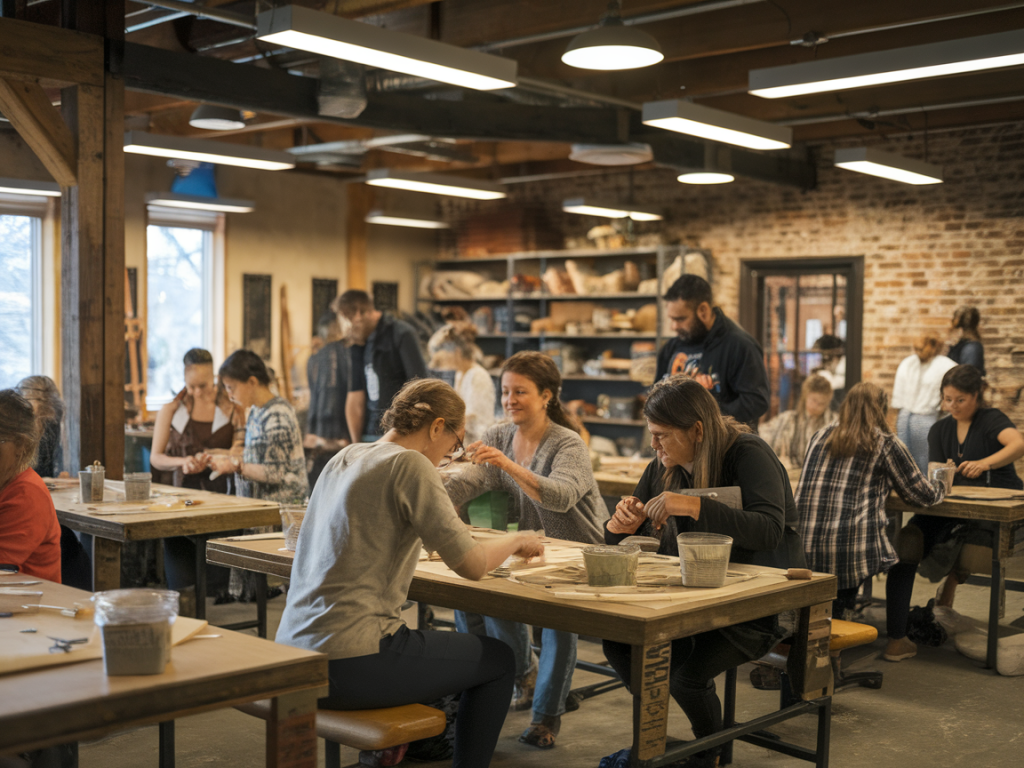
I run regular community workshops in Southwest London that bring reflexology, self‑care practices and simple mindful routines together into one welcoming session. These workshops are designed to be practical, accessible and immediately useful — whether you’re curious about reflexology for the first time, looking for tools to manage stress, or want to learn techniques you can use at home with family and friends.
What we cover in a typical workshop
Each workshop is focused around a few clear learning goals so you leave with skills, not just information. A typical 90‑minute session includes:
I like to keep the pace friendly and hands‑on. Participants practice on one another in pairs or small groups so everyone has a chance to feel how techniques work and to ask personalised questions.
Who benefits most from these workshops?
In my experience, these workshops are valuable for a wide range of people. The most common attendees who benefit quickly include:
Workshops work best for people who are curious and willing to try simple practices regularly. You don’t need any prior experience — just comfortable clothing and an open mind.
Typical workshop structure and timings
| Arrival and settling | 10 minutes (tea/intro) |
| Breath and grounding | 10 minutes |
| Practical reflexology (feet) | 30 minutes (demo + paired practice) |
| Self‑care routines & nutrition tips | 20 minutes |
| Q&A and adaptations | 15 minutes |
Workshops sometimes run as shorter 60‑minute taster sessions or longer half‑day events where we go deeper into a theme — for example, sleep support or digestive health.
What I ask participants to bring
Please bring:
I provide mats, cushions, hand sanitiser and all teaching materials. If you like, bring a small towel or blanket for extra comfort.
Common questions I hear
Is reflexology safe? Yes, when taught and practiced gently. I teach techniques that are low force and suitable for most people. I always share contraindications and ask about health history before hands‑on practice.
Will I see results after one workshop? You’ll often notice immediate shifts in calm and breath, and small changes to tension. Lasting change usually comes from repeating short routines daily — I give simple follow‑up practices to try at home.
Can reflexology help pain or digestion? Many people report reduced muscle tension, improved sleep or easier digestion after regular self‑care. Reflexology is a supportive therapy — I often combine it with mindful breathing, small nutritional changes and movement for better outcomes.
Are workshops suitable for pregnant people? Yes, with adaptations. I teach pregnancy‑safe reflexology methods and modify paired practice so everyone feels secure. If you’re in the first trimester or have specific risks, I’ll check with you privately beforehand.
Examples of practical takeaways
I often suggest affordable tools participants can use at home: a small rubber massage ball (eg. Blackroll Mini or similar), a soft foot roller, or a cosy lavender heat pack from local shops. None of these are essential, but they can amplify the benefits.
Local details and how to join
Most workshops take place in community spaces across Southwest London — I post the schedule and booking details on Reflexologysouthwestlondon Co (https://www.reflexologysouthwestlondon.co.uk) and on my social channels. Spaces are intentionally small (usually 8–12 people) so there’s time for personalised guidance. If you can’t find a public workshop that fits, I organise private group sessions for workplaces, parent groups or community centres.
What I notice when groups practice together
There’s something quietly powerful about a small group practising together. People learn as much from each other as they do from me: tips for adapting moves, shared experiences about sleep or digestion, and practical hacks for fitting routines into a busy week. I also see friendships form — and neighbours who start swapping herbal tea tips and self‑care reminders.
If you’re curious, drop me a message through the site or come along to the next session. Workshops are designed to be low‑pressure, practical and compassionate — a chance to learn, relax and take away tools you can use day to day.