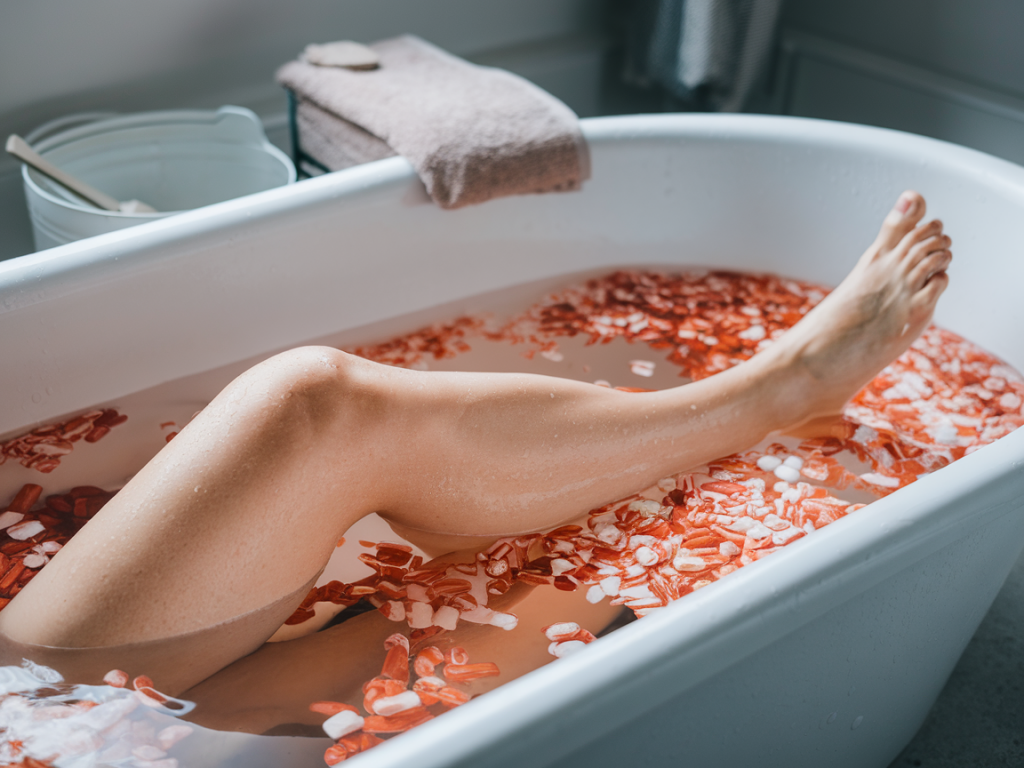
I get asked a lot whether reflexology can help restless legs — the twitching, creeping, uneasy sensations that strike especially at night. From my hands‑on experience and from helping clients over the years, I’ve found a focused lower‑leg reflex routine combined with a magnesium soak often reduces symptoms within a single night. Below I share the exact reflex points I work on, the technique I use, a simple magnesium soak recipe (including product suggestions), and practical safety notes so you can try this at home safely.
Why this combination?
Restless legs syndrome (RLS) often reflects a mix of nervous system hyperexcitability, local circulation issues and mineral imbalance — magnesium in particular. Reflexology helps by calming the nervous system, improving local circulation and releasing tension in muscles and connective tissue. A warm magnesium soak can relax muscles and may increase available magnesium transdermally for some people. Together they create a powerful pre‑bed ritual that signals your body to rest.
The exact lower‑leg reflex points I use
Below I describe the points on the lower leg and ankle I focus on. When I work in clinic I combine these with foot reflexes (spine, hips, solar plexus), but here I’ll concentrate on the lower leg for a clear at‑home routine.
- Peroneal channel / outside lower leg — along the outer edge of the lower leg from the ankle bone up toward the knee. I use thumb-walking along this line to address circulation and nerve tension.
- Tibial channel / inner lower leg — the inside lower leg, from just behind the ankle bone up toward the knee. This area links to the sympathetic nervous system and inner leg tensions.
- Calf muscle belly — the bulk of the gastrocnemius and soleus. Gentle kneading here releases muscle tightness that can exacerbate RLS.
- Popliteal fossa (behind the knee) — soft pressure in the hollow behind the knee where nerves and lymph pass, useful for calming nerve flare‑ups and encouraging drainage.
- Medial malleolus and lateral malleolus (inside and outside ankle bones) — these are important reflex zones for knees, hips and lower back; I apply small circular pressure to reduce referred tension.
- Achilles tendon and insertion — gentle stroking and light compressions here can soothe the lower leg’s tension patterns.
Step‑by‑step evening routine (30–45 minutes)
Do this 30–60 minutes before bed for best results.
- Prepare a warm foot soak or bath using the magnesium recipe below. Soak for 15–20 minutes while breathing slowly and relaxing.
- Dry your legs and sit comfortably. Use a little neutral oil (sweet almond, jojoba or a light massage oil) so your hands glide. I like a few drops of lavender oil in the oil for added relaxation.
- Start with the calf muscle: place one hand behind the calf for support and with the other hand do gentle kneading and long effleurage strokes from ankle toward knee for 1–2 minutes each leg.
- Thumb‑walk along the outside lower leg (peroneal channel) from ankle to knee — use short, controlled steps with the thumb pad, moving slowly and holding any tender spots for 5–8 seconds.
- Repeat thumb‑walking along the inner lower leg (tibial channel). Work each leg for about 2–3 minutes per channel.
- Apply circular pressure to the medial and lateral malleolus (inside/outside ankle bones) for 30–60 seconds each side, then gently compress the Achilles tendon insertion with the thumb.
- Place both thumbs in the popliteal fossa (behind the knee) and apply light downward pressure for 10–20 seconds; repeat 2–3 times. If the pressure feels uncomfortable, reduce intensity or skip.
- Finish with long, calming strokes from ankle to thigh and a few minutes of slow diaphragmatic breathing, visualising the legs softening and the urge to move fading.
Magnesium soak recipes and product notes
There are two common at‑home ways I recommend to clients: a foot soak (quick and focused) or a full bath (more immersive).
| Foot soak | 200–400 g magnesium chloride flakes (e.g., BetterYou Magnesium Flakes) in a bowl of warm water. Soak 15–20 minutes. |
| Full bath | 1–2 cups Epsom salts (magnesium sulfate, e.g., Dr Teal’s) in a warm bath. Soak 15–20 minutes, then dry and perform the reflex routine. |
Which to choose: magnesium chloride flakes often dissolve quickly and are favoured for transdermal magnesium. Epsom salts are widely available and excellent for muscle relaxation. Both are useful — I’ll use flakes for a quick foot soak before a focused reflex session and Epsom salts when someone wants a longer, whole‑body relax.
Pressure, timing and breathing
Use firm but comfortable pressure — enough to feel stimulation but not pain. For thumb‑walking, keep movements small and deliberate. Spend around 10–15 minutes on each leg total for a targeted lower‑leg session. Pair every touch with slow breath: inhale for 4, exhale for 6–8 to enhance the calming effect.
Safety and contraindications
Take precautions:
- If you have peripheral neuropathy (e.g., from diabetes) use gentler pressure and check skin sensation first.
- Don’t use deep pressure or massage if there’s a suspected deep vein thrombosis (sudden swelling, warmth, pain) — seek medical help.
- If you have kidney disease or are on certain medications, check with your GP before regular magnesium soaks; systemic magnesium handling can be affected.
- Avoid any aggressive work over open wounds, rash or infection. Pregnant people should consult their midwife for specific safety guidance.
What to expect the first night
Many clients report reduced restlessness, calmer legs and easier sleep after trying this combination once. Some feel an immediate release of tension; for others it takes a few nights of routine to see consistent improvement. If symptoms persist or worsen, please consult a healthcare professional for assessment — reflexology and magnesium are supportive tools, not replacements for medical diagnosis.
If you’d like, I can record a short guided routine you can follow at home (video or audio) that walks you through the exact thumb‑walks and pressure. It’s a gentle practice that mixes simple bodywork, magnesium soak and breathing — one of my favourite go‑to protocols for bringing quiet back to the legs before bedtime.