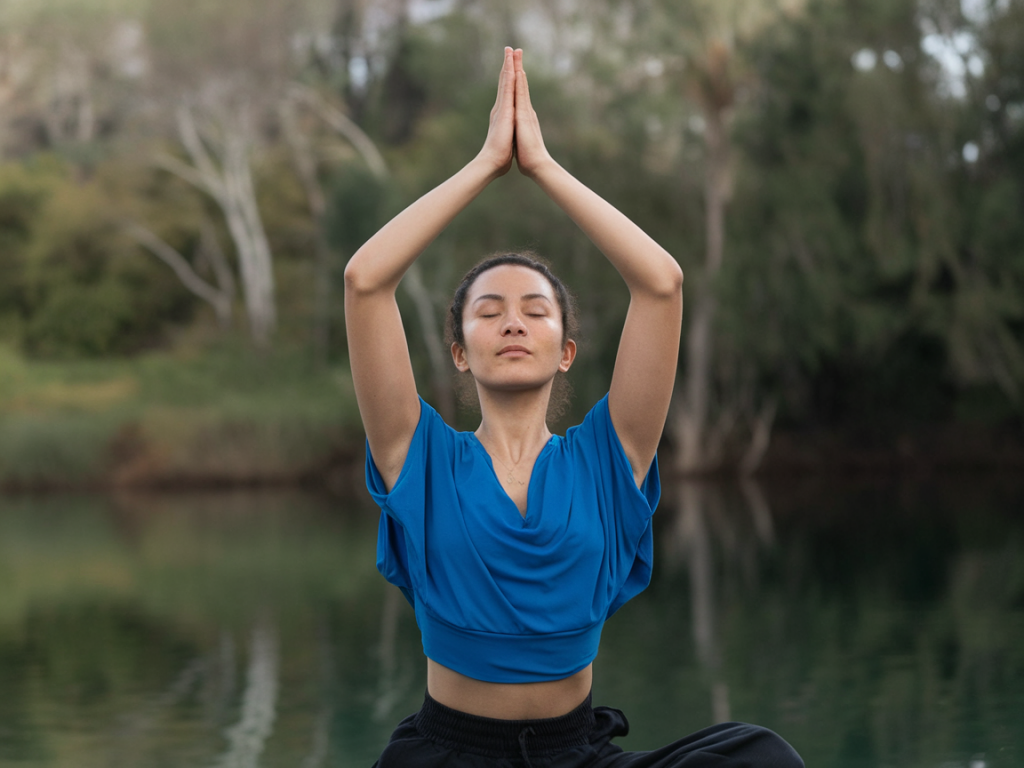
Hot flushes during perimenopause can feel sudden, intrusive and sometimes overwhelming. Over the years I’ve worked with many people who want simple, non‑pharmacological ways to calm the intensity when a flush hits. One approach that often surprises clients is a short palm reflex routine — a focused, five‑minute sequence you can do anywhere. Below I explain why this might help, what the evidence says, and exactly how to do a practical routine that blends reflexology points, breath work and mindful touch.
Why consider a palm reflex routine for hot flushes?
Hot flushes are driven by dysregulation in the autonomic nervous system and changes in thermoregulatory set points linked to fluctuating hormones. That means techniques which promote parasympathetic activation (the “rest and digest” response), regulate breathing and provide somatic grounding can reduce the perceived intensity of a flush.
Working on the hands is particularly useful because:
What the research says (briefly and practically)
Direct high‑quality trials of palm reflexology specifically for hot flushes are limited. However, there is evidence that manual therapies, paced breathing and mindfulness reduce menopausal symptoms such as hot flush frequency and bother. Studies on reflexology and acupressure suggest beneficial effects for anxiety, sleep and some perimenopausal symptoms — likely through modulation of stress responses and improved sleep quality, both of which can indirectly reduce flush severity.
In short: a 5‑minute palm routine is unlikely to eliminate hot flushes completely, but it can reduce intensity and distress for many people, especially when used alongside other self‑care measures such as paced breathing, cooling strategies and lifestyle adjustments.
How to use this routine — when and how often
Use the routine at the first sign of a hot flush, during a flush to reduce intensity, or proactively when you feel anxious or notice triggers. It’s suitable for multiple repetitions in a day. Practicing the sequence once or twice daily can also improve your ability to relax quickly when a flush occurs.
Keep a small cooling tool (a folded handkerchief, a KeySmart metal card, or a pocket mist like Evian facial spray) nearby to combine with the routine for extra relief.
Five‑minute palm reflex routine (step‑by‑step)
This routine blends light reflex pressure, slow breathing and grounding touch. Take about five minutes; you can time it or simply follow the sequence gently.
| Step | Action |
| 1 — Ground & breathe | Sit or stand comfortably. Rest one hand palm‑up on your thigh or a surface. Close your eyes if comfortable. Inhale for 4 counts through the nose, pause 2, exhale for 6 slowly through mouth or nose. Repeat twice. |
| 2 — Heart reflex (upper palm) | Using the thumb of your opposite hand, apply gentle, circular pressure to the soft fleshy area below the base of the fingers (the upper palm area). Move in small circles for 30 seconds. This area is associated with calming and emotional balance in many reflexology maps. |
| 3 — Solar plexus point (centre palm) | Place your thumb on the centre of your palm (slightly below the middle finger). Hold steady pressure for 20–30 seconds while continuing slow exhalations. This point is often used for stress relief and can help shift autonomic tone. |
| 4 — Diaphragm sweep (across palm) | With the heel of your hand or thumb, sweep across the palm from the lateral edge (below the little finger) to the medial edge (below the thumb) in a long, slow stroke. Repeat three times, matching each sweep to a long exhale. |
| 5 — Finger pulls & cooling focus | Gently pull each finger from base to tip (5–10 seconds per finger). Finish by holding both palms together lightly, feeling warmth cool down or using a quick cool facial mist or cold water on wrists. Take two slow breaths and open your eyes. |
Practical tips to boost effectiveness
Who should be cautious?
The routine is gentle and safe for most people, but take care if you have:
Combining this with other supports
A palm reflex routine works best as part of a toolbox. Other helpful strategies include:
Real‑life experience
Clients tell me they appreciate the routine because it is discreet and quick: one client used it successfully during a meeting by subtly working their palms under the table while focusing on their breath. Another combined the practice with a small cooling towel kept in a handbag and reported shorter, less intense episodes. The psychological effect — feeling you have an active coping tool — is often as valuable as the physiological calming.