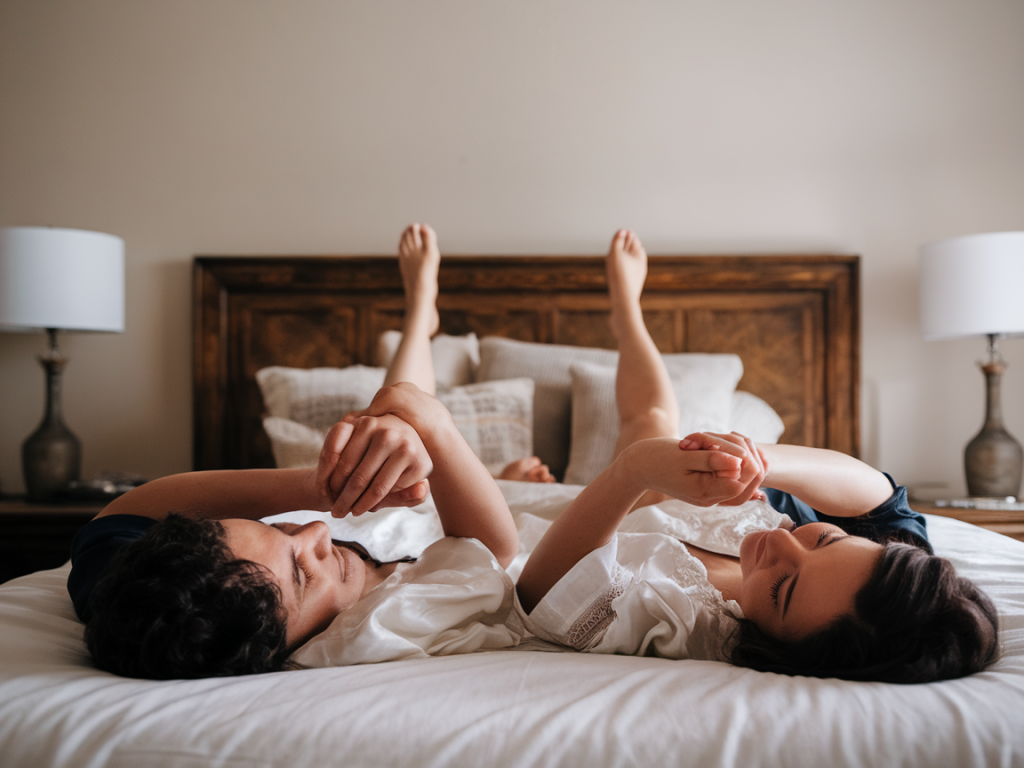
I often get asked by clients and workshop participants how to bring reflexology into their bedtime routine in a way that’s simple, safe and genuinely helpful. Teaching a partner a short, 10‑minute evening reflex sequence is one of my favourite ways to make reflexology practical at home — it builds connection, calms the nervous system and can help you fall asleep faster. Below I share a gentle, evidence‑informed routine you can teach your partner, plus clear guidance on safety, pressure, positioning and small cues to enhance relaxation.
Why a 10‑minute partner sequence works
A focused, short treatment targets a few key reflex areas linked to sleep: the Solar Plexus (for calming), the spine reflex (for releasing tension), the head/brain reflex (for quieting thought) and areas connected to digestion (which can disturb sleep). Ten minutes is also realistic for busy evenings — it becomes a repeatable habit rather than an occasional indulgence.
When done with intention and gentle pressure, this mini‑sequence sends calming signals to your partner’s nervous system. The tactile contact, combined with mindful breathing and a slow rhythm, activates the parasympathetic system — the "rest and digest" mode we need for falling asleep.
Before you begin: safety and consent
Start by checking in. Ask your partner:
If any of the above apply, modify or avoid reflex work — I recommend they see their healthcare provider first. For diabetes or neuropathy, avoid strong pressure and stick to gentle, soothing touch. If your partner takes blood thinners, keep pressure light and check with their clinician when in doubt.
Set the scene
Create a calm environment: dim the lights, put on a short, relaxing playlist (I often use instrumental playlists from Calm or apps like Insight Timer), and make sure the room is warm. Have a small pillow or rolled towel for under the partner’s ankle so the foot is supported. Use a lightweight, unscented oil or balm if skin is dry — a few drops of jojoba or sweet almond oil works well. Avoid essential oils if either of you has sensitive skin or respiratory issues.
How to position
The simplest position is for your partner to lie on their back with feet supported. They can also sit with legs extended; choose what’s most comfortable. Sit at the end of the bed or on a chair so you have good access and can maintain relaxed shoulders while working.
Pressure and touch: what to teach
Explain to your partner that reflexology is not massage. The touch is firmer than a stroke but never painful. A good rule is to ask them to rate pressure on a 0–10 scale where 0 is no pressure and 10 is unbearable. Aim for a steady 3–5: noticeable, comforting, not sharp. Use the pad of your thumb or the base of your thumb for most moves.
10‑minute step‑by‑step sequence to teach
Tell your partner to use slow, deliberate movements and keep a relaxed rhythm. Count breaths silently to match your tempo — about 6–8 breaths per minute is a calming pace.
Place both hands around the foot and hold it for 30 seconds with gentle, enveloping pressure. This establishes contact and calms the person. Follow with long, slow strokes from the heel to the toes using the palm to soothe the entire foot.
Using your thumb, trace a line along the inner edge of the foot from the big toe down to the heel. Use small, walking thumb motions (thumb‑walking) with steady pressure. This area maps the spine and helps release tension that holds into sleep. Repeat 3–4 slow passes.
Find the central depression just below the ball of the foot (around the centre of the arch). Apply gentle circular pressure with the pad of your thumb for 45–60 seconds. Encourage slow breathing while holding this point — it helps shift the breath into a calmer rhythm.
Work the tips and pads of the toes, especially the big toe. Use small, circular or rocking movements across these areas to calm busy thoughts. Spend about 10–15 seconds on each toe and finish with a gentle squeeze and release of the entire toe row.
The area just above the inner ankle supports the pelvic and hormonal balance; gentle pressure here can be soothing. Use a soft thumb circle on each foot for 30 seconds.
Focus on the mid‑arch area (towards the outside half of the sole) with long, slow thumb‑walking strokes. This supports settling digestion and reducing discomfort that can disrupt sleep.
Return to full‑foot, slow strokes from heel to toes, finishing with a gentle squeeze from the heel up to the toes, then a light tap across the toes like a soft percussion. End by holding the foot in both hands for 10–15 seconds.
Simple cues to enhance relaxation
Common questions I hear
How often should we do this?
Aim for 3–5 times a week to build a habit. Even one short session a few times weekly can make a noticeable difference in sleep onset and quality.
Can reflexology cause discomfort?
If you apply too much pressure you can cause soreness. If your partner says something hurts, reduce pressure immediately. Some people feel tender in certain areas the first few times; this usually eases with lighter pressure and regular, gentle sessions.
Do I need to learn anatomy?
No. You don’t need to be an expert. Stick to the simple, mapped areas above and focus on rhythm, pressure and presence. If you want to go deeper, consider a short workshop or a beginner reflexology course to build confidence.
Tools and products that help
Teaching this sequence is as much about connection as technique. The calm, attentive presence you bring is what amplifies the physical touch. Practice it a few times together, adjust pressure and pace to what feels best, and let it become part of your shared wind‑down ritual.