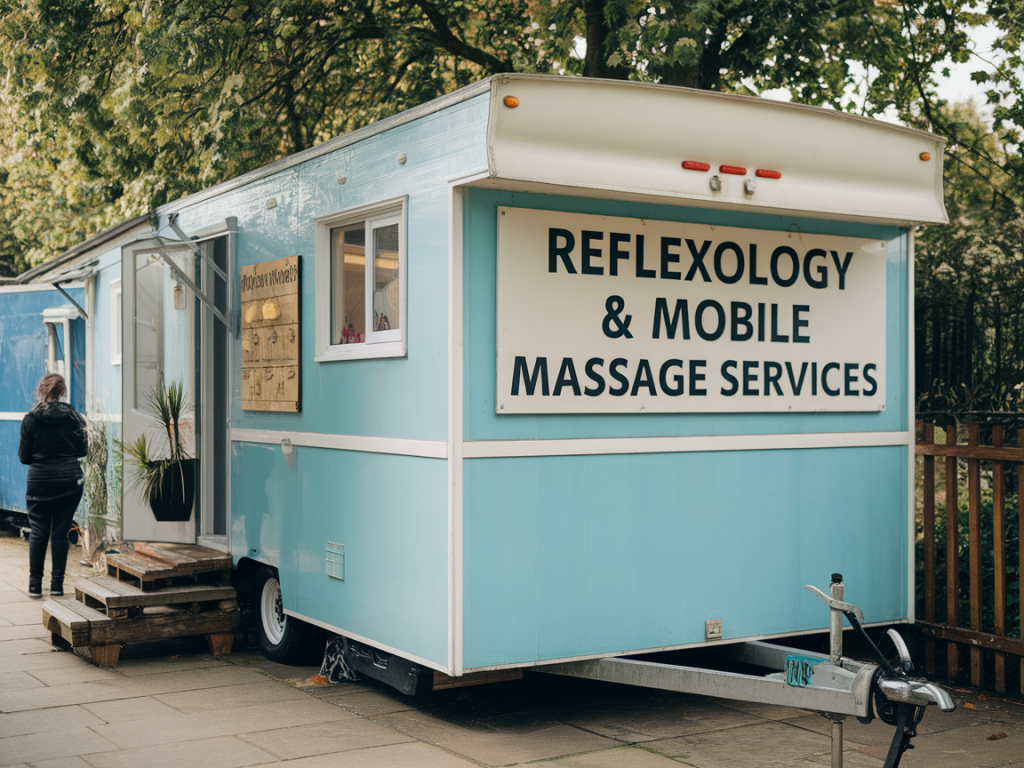
Inviting a reflexologist into your home should feel comfortable and safe. During a first mobile house visit in Southwest London, I always encourage clients to ask questions — about qualifications, safety, what to expect and practical arrangements. Below I share the key things I think you should ask (and why), plus a simple checklist you can use before and during the appointment. These are the same points I cover with new clients, in a friendly, straightforward way, so you can decide with confidence whether the visit will meet your needs.
Practical arrival and setup
Start with the basics: logistics. A mobile reflexologist should be clear about how they’ll arrive, what they’ll bring and how much space they need. I typically tell clients what to expect so there are no surprises.
What time will you arrive? Ask for an estimated arrival time and how the practitioner will contact you if delayed.What will you bring? A practitioner usually brings a portable couch or reclining chair, clean towels, oil or lotion, and a kit with sanitising supplies. If you prefer they use a blanket you already own, mention that.How much space is required? A small, quiet corner is usually enough — about 2m x 2m is ideal. Clear walkways for easy setup.Qualifications, experience and safeguards
It’s important to understand the therapist’s training and how they work safely. Don’t be shy about asking for specifics — reputable practitioners expect these questions.
What qualifications do you have? Look for training in reflexology and complementary therapies. Many practitioners hold diplomas from accredited schools and maintain continuing professional development.Are you insured? Public liability and professional indemnity insurance are essential for mobile practitioners. Ask for confirmation.Do you have a DBS check? If you live alone, are a vulnerable adult, or have children at home, a Disclosure and Barring Service (DBS) check provides added reassurance.Health, contraindications and consent
Safety starts with an honest health conversation. A good reflexologist will ask about your medical history and any medications to tailor the session and avoid risks.
Do you need to fill in a health form? Practitioners usually complete a short consultation form before the first treatment. This covers recent surgeries, circulatory problems, diabetes, pregnancy, skin conditions and medications.Are there any conditions that would make reflexology unsuitable? Some conditions require caution (e.g. deep vein thrombosis, active infections, certain cancers, uncontrolled diabetes). Ask how they would adapt or whether they recommend checking with your GP.How do you obtain consent? Consent should be informed and verbal or written. The therapist should explain the treatment, possible sensations and allow you to ask questions.Hygiene, infection control and COVID considerations
Hygiene is non-negotiable for mobile treatments. It’s reasonable to expect clear infection-control procedures.
What hygiene practices do you follow? Expect hand washing/sanitising on arrival, freshly laundered towels, and cleaning of equipment between clients.Do you have a COVID policy? While mandates have eased, some clients and practitioners still prefer masking if symptomatic, lateral flow testing before house visits, or rescheduling after recent exposure. Ask what the practitioner does.Session structure and what to expect
Knowing the flow of the session reduces anxiety and helps you get more from the treatment.
How long will the session last? Typical sessions are 40–60 minutes, but confirm the exact duration and whether that includes consultation time.What will you feel? Explain that reflexology is firm but gentle pressure on the feet (or hands/ears). People often feel warmth, tingling or deep relaxation. If anything is painful, you should say so — the practitioner should adjust pressure.Will you massage ankles/legs too? Many practitioners include some lower-leg work for a complete experience — check what’s included.Privacy, comfort and household considerations
Your home environment matters. Discuss privacy, noise and who else will be present.
Can someone else be in the house during the session? If you need a partner or child to be present, mention this when booking. Some clients prefer privacy; others want a family member nearby.What clothing should I wear? Reflexology is usually performed with bare feet. Loose clothing or socks that are easy to remove are best. If mobility is limited, the practitioner should adapt accordingly.Fees, cancellations and insurance
Clear financial terms avoid awkwardness.
What is the fee and payment method? Mobile visits often cost a little more than clinic appointments due to travel. Ask whether they accept cash, bank transfer, card (e.g. via SumUp or Square) or contactless apps.What is your cancellation policy? Typical policies request 24–48 hours’ notice. For short-notice cancellations, a part or full fee might apply.Do you provide receipts for insurance? If you plan to claim via private health insurance, ask whether they issue receipts with the necessary details.Aftercare, follow-up and realistic outcomes
Good practitioners prepare you for what happens after the session and suggest simple self-care.
What aftercare should I follow? Common advice includes drinking water, resting if possible, and avoiding heavy exercise for a few hours.How many sessions will I need? Be wary of promises for a cure. Many conditions improve with a course of regular sessions plus self-care — a realistic plan might be 4–6 weekly sessions to evaluate progress.Will you recommend self-care techniques? Ask for short, practical routines you can use at home: a 5‑minute foot massage, breathwork, or simple nutrition tips. I often show clients a home routine using a tennis ball or a small wooden reflexology tool.Quick checklist (use during booking)
| Question | Why it matters |
| Qualifications and insurance? | Ensures safety and recourse if needed |
| DBS checked? | Reassurance for vulnerable clients |
| Health questionnaire/contraindications? | Prevents harm from underlying conditions |
| Arrival time and equipment? | Helps you prepare your space |
| Fee, payment and cancellation policy? | Avoids surprises |
| Hygiene and COVID safety? | Protects your household |
| Aftercare and follow-up? | Maximises benefit from the session |
Asking these questions creates a trusting, professional relationship and helps you get the most out of a mobile reflexology visit. If something feels off — unclear answers, pressure to book multiple sessions without reasons, or reluctance to provide proof of insurance — it’s okay to pause and choose another practitioner. A good therapist will welcome your questions and make the process easy and transparent.