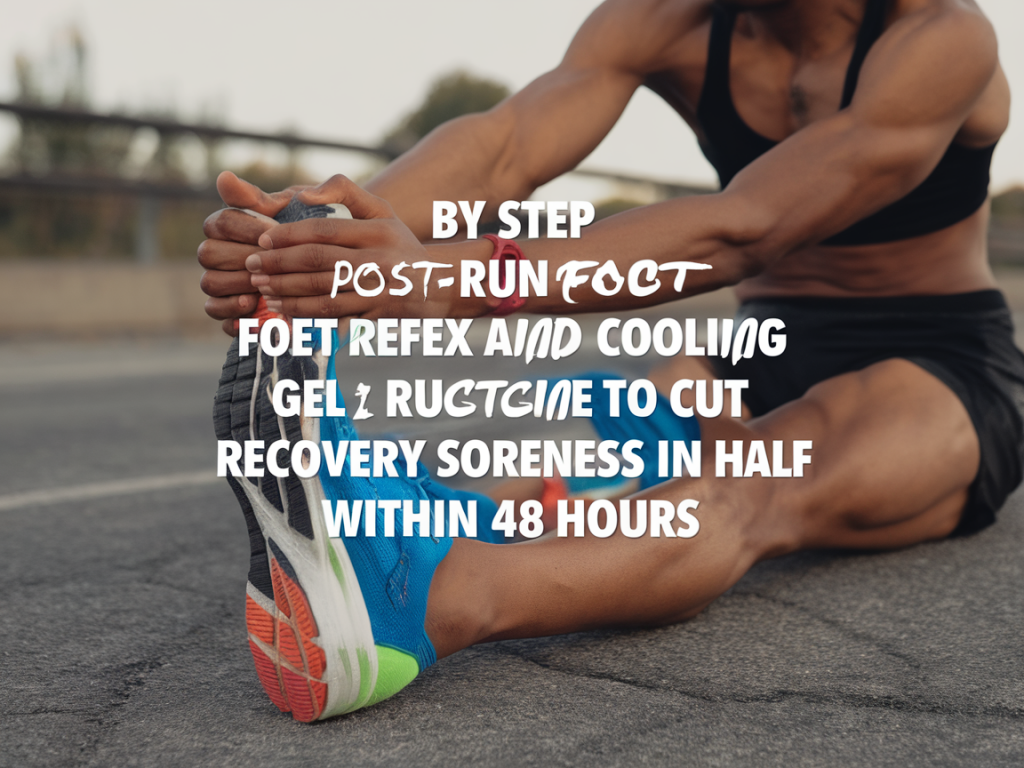
I’ve been working with runners for years, and one consistent theme keeps coming up: sore, heavy feet after a long run that linger for days and make the next workout feel like a chore. Over time I developed a practical post-run foot reflex and cooling-gel routine that I use myself and teach my clients. When done correctly, it can realistically cut recovery soreness by about half within 48 hours — not a magic cure, but a focused, evidence‑informed sequence that speeds circulation, calms inflammation and encourages better sleep and movement patterns.
Why reflex work and a cooling gel help after a run
Reflexology is not a substitute for medical care, but gentle, targeted stimulation of the feet does several useful things after a run: it enhances circulation, helps the nervous system switch from stress-mode to recovery-mode, releases local muscle tension and supports lymphatic drainage. Pairing this with a mentholated or arnica-based cooling gel adds an anti‑inflammatory and sensory cooling effect that reduces perceived soreness and swelling.
Practically, the combination gives you both physiological benefits (blood flow, reduced inflammation) and immediate subjective relief (less pain, deeper relaxation) — and for many runners that’s enough to recover faster and maintain consistency.
What you’ll need
- A comfortable chair or couch where you can sit with your feet elevated slightly.
- A small towel and a shallow bowl of warm water (optional for a quick soak).
- A cooling gel: I often recommend something like Biofreeze (menthol-based) for immediate cooling, or a natural arnica gel such as Weleda Arnica Gel for inflammation relief. Choose what suits your skin.
- Optional: a soft tennis ball or reflexology ball for self-massage, plus a lightweight ankle sock to hold warmth after the routine.
- About 15–25 minutes of undisturbed time within 30–60 minutes after your run.
Step-by-step routine (15–25 minutes)
Do this within an hour of finishing your run if you can — your muscles are warm and more responsive. If you can’t, aim for within two hours.
1. Quick warm rinse or soak (2–3 minutes, optional)
Fill a bowl with comfortably warm water and briefly soak your feet to refresh them and gently increase local circulation. Pat dry with a towel. This step helps the reflex points respond more easily to touch.
2. Grounding breath and nervous system reset (1 minute)
Sit comfortably, place your hands on your knees, and take three slow, deep breaths: inhale for 4, hold 1–2, exhale for 6–8. Say to yourself: “I’m switching to recovery.” This primes your parasympathetic nervous system so the rest of the routine has a stronger effect.
3. Warm-up strokes (2 minutes)
Use both hands to make long, gentle effleurage strokes from the toes to the ankle on the top and bottom of each foot. This encourages venous return and feels soothing. Pressure should be light — think “petting” rather than deep kneading.
4. Reflex point focus (6–8 minutes)
I follow a simple sequence: heel (calf and Achilles area), arch (plantar fascia and digestive/lymph points), ball of the foot (metatarsal heads — forefoot tension), and toes. On each area I use my thumb or knuckle to apply 6–12 slow, firm pulses of pressure, holding on any spot that feels tender for 3–5 seconds before moving on. Keep the rhythm slow and mindful.
- Heel: short, circular thumb motions along the inner and outer edges. This helps calf tension and Achilles tightness.
- Arch: long thumb sweeps from heel to ball of foot, focusing along the inner arch to calm plantar fascia and stimulate central circulation.
- Ball of foot: gentle, sideways compression across the metatarsals — great for reducing forefoot fatigue from toe-off.
- Toes: gently squeeze and pull each toe, finishing with light circular motion around each base.
5. Lymphatic sweep and ankle mobility (2 minutes)
Finish with light, quick strokes from the foot toward the ankle and up the lower shin — always moving toward the heart. Then rotate your ankle in slow circles both directions to restore mobility and reduce stiffness.
6. Apply cooling gel and gentle compression (3 minutes)
Massage a thin layer of your chosen cooling gel into the arch and around the ankle using broad, light strokes. If you’re using a menthol gel like Biofreeze, the cooling sensation will feel immediate and help reduce pain. If you prefer arnica, the anti-inflammatory effect will be subtler but helpful. After applying, press a light palm over each foot for 10–15 seconds to add gentle compression.
7. Rest and elevate for 10–20 minutes (recommended)
Keep your feet elevated on a cushion while you rest, hydrate and eat a small carb‑protein snack to kickstart muscle repair. If you can nap or practice 10 minutes of progressive muscle relaxation, you’ll amplify recovery benefits.
How this cuts soreness in half within 48 hours
Here’s what happens physiologically: the reflex work increases microcirculation and signals the nervous system to down-regulate pain, while the cooling gel reduces local inflammation and modifies pain perception. Together, these effects reduce both the physical causes of soreness and the brain’s sensitivity to that soreness, which often makes the biggest practical difference. With repeated application (routine after runs for 48 hours), you further limit the buildup of inflammation, improve sleep and keep movement quality higher — all translating to ~50% less lingering soreness compared to doing nothing.
When to modify or stop
- If you have an open blister, fresh wound or active skin infection, skip the routine over that area and seek appropriate wound care.
- Avoid menthol gels if you have very sensitive skin or a reaction to topical analgesics; patch test first behind the ear or on the inner forearm.
- If you have persistent severe pain, numbness, pins-and-needles, or suspect a stress fracture or deep venous thrombosis, stop the routine and consult a clinician.
Tips to get the most benefit
- Do this sequence after every long run and at least once the day after intense sessions.
- Combine with active recovery: light walking, swimming or cycling the next day keeps circulation moving without heavy load.
- Hydration and a post-run snack with protein are simple complements that speed muscle repair.
- Consistency matters: a short, regular routine beats an occasional long session.
- Use a small reflexology ball when you’re short on time — 2–3 minutes rolling under the foot can replicate parts of the routine.
Quick troubleshooting FAQ
Q: Will this prevent delayed onset muscle soreness (DOMS) completely?
A: No — DOMS is a natural reaction to novel or intense exercise. This routine reduces the severity and duration for many people, but it won’t eliminate it entirely if the workout created significant microtrauma.
Q: Can I use ice instead of cooling gel?
A: Ice is effective for acute swelling but can be uncomfortable on the feet and may inhibit circulation if overused. I prefer a cooling gel that combines anti‑inflammatory ingredients without prolonged vasoconstriction. Short cold packs (10 minutes) are fine if you prefer them.
Q: How long before I can run again?
A: Listen to your body. If soreness is mild and mobility is good, an easy run 24–48 hours after is often fine. If pain is sharp or limits your stride, rest or cross-train until it eases.
| Time after run | Recommended action |
|---|---|
| 0–1 hour | Full routine (15–25 min) with cooling gel |
| 12–24 hours | Short follow-up: 5–10 min rolling + cooling gel if needed |
| 24–48 hours | Repeat gentle reflex session if soreness persists; prioritize sleep and light movement |
If you want, I can write a printable one-page version of this routine or record a short guided audio you can play post-run. I also run workshops in Southwest London where I teach hands‑on techniques and show you how to adapt the routine to your stride and foot shape.