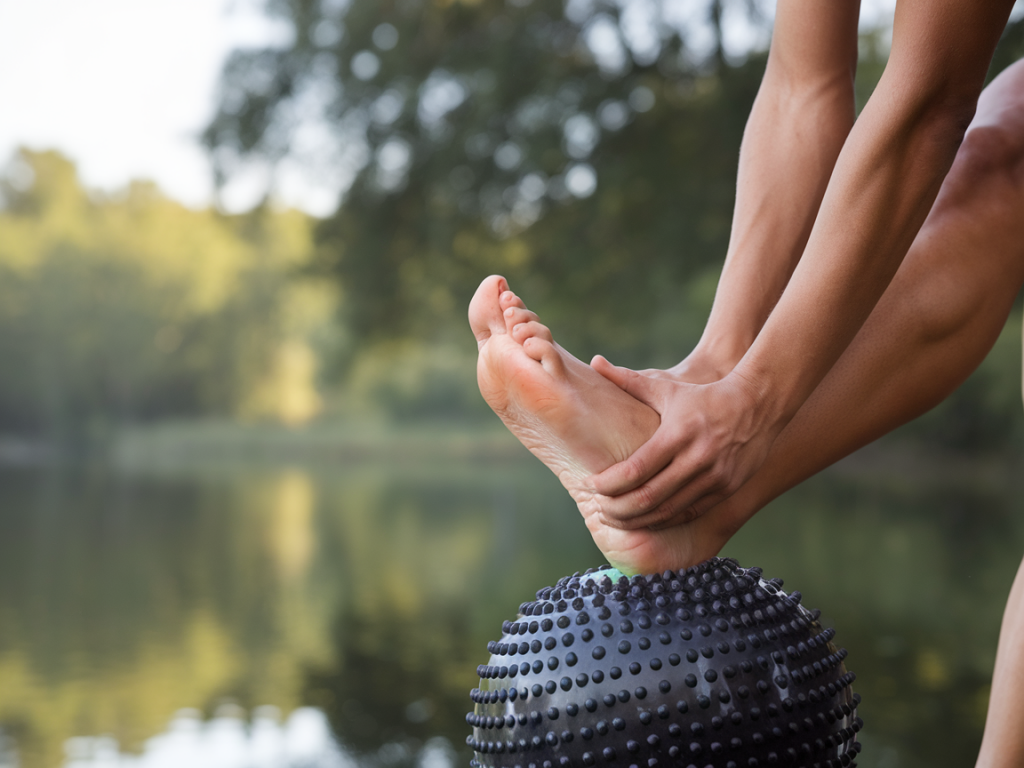
After many years of combining long runs with reflexology—both as a practitioner and as a runner myself—I’ve found a simple, targeted post-exercise foot reflex routine that really helps speed recovery. It’s gentle, evidence-informed and easy to do at home, on a rest day, or even in the minutes after you’ve stretched. Below I share what I do, why it works, and step-by-step guidance so you can try it straight away.
Why focus on the feet after a long run?
Your feet are your primary interface with the ground. After a long run they carry inflammation, micro‑tension and circulatory slow‑downs that can affect the whole body. Reflexology targets specific zones on the feet that correspond to muscles, joints and organs — stimulating these zones supports circulation, lymphatic drainage and nervous system regulation. In practice this means less soreness, calmer nervous system activity and often better sleep within 24–48 hours.
I always emphasise that reflexology is complementary: it’s not a replacement for rest, hydration, nutrition or appropriate medical care. Think of this routine as a focused way to aid your body’s natural recovery processes.
When to do this routine
I recommend two moments:
If you’re dealing with a specific injury (sharp pain, swelling or suspected stress fracture), seek a clinician first. Use this routine only when you’re confident you’re dealing with normal post-exercise soreness.
What you’ll need
- A comfortable chair or couch.
- A small bottle of light oil or balm for friction. I like Sweet Almond Oil or a lightweight sports rub such as Biofreeze (applied sparingly) for a cooling sensation.
- A warm towel (optional) for a brief soak — warming up the feet can increase receptivity.
- 5–25 minutes of uninterrupted time.
Quick physiology — what’s happening under the skin
There’s increasing evidence that localized touch can modulate the autonomic nervous system (reducing sympathetic drive) and improve local circulation. Reflexology sessions, when combined with active recovery pillars (hydration, sleep, nutrition), often produce meaningful subjective improvements: reduced perceived soreness, improved sleep and quicker return to normal running. My approach blends classical reflex techniques with light myofascial work so you get both nervous system and mechanical benefits.
Step-by-step post-long-run foot reflex routine
Do this routine on both feet. I talk through my left foot first, then repeat on the right—symmetry matters but start on the side that feels tighter.
1. Warm and settle (1–2 minutes)
Sit comfortably and rub a little oil between your hands. Gently warm the top and sole of the foot with long smooth strokes, working from toes to heel and back. This increases local circulation and signals the nervous system that you’re shifting into recovery mode.
2. Toe mobility and base of the toes (2 minutes)
Gently pull each toe, then rotate it lightly at the base joint. Spend a few seconds at each toe. The pads and base of the toes correspond to head, neck and upper thorax reflex zones — loosening here reduces tension that can radiate up the chain.
3. Plantar arch sweep (2–3 minutes)
Using the pads of your thumbs, make long, steady sweeps along the plantar arch from the ball of the foot to the heel. Apply medium pressure — enough to feel but not cause sharp pain. This targets the reflex zones associated with the lower back and pelvis, areas that often tighten after long runs.
4. Calf‑reflex transition and Achilles attention (2 minutes)
With your fingers, stroke from the base of the heel up toward the lower calf, following the path of the Achilles tendon. Use light friction and small circular motions on either side of the tendon. This encourages lymphatic flow and helps release micro‑tension around the Achilles and calf complex.
5. Metatarsal groove release (2 minutes)
Place the pads of both thumbs in the groove behind the ball of the foot (the metatarsal heads). Hold steady pressure and then make small circular motions. Runners often carry inflammation at the forefoot; this movement can ease pressure and improve distribution of fluid.
6. Reflex points for the lower body (3–4 minutes)
Spend focused time on these reflex zones:
7. Final calming sequence (2 minutes)
Finish with gentle, rhythmic stroking from toes to heel across the whole foot, slower each time. End by cradling the foot in both hands and holding for 20–30 seconds. This closing hold helps transition your nervous system into parasympathetic recovery.
Breath and mindset
During the routine I use a simple breathing cue: inhale for 4 counts, exhale for 6. Longer exhales help shift into parasympathetic dominance which promotes tissue repair. Keep your attention on the sensations in the foot — mindful awareness amplifies the benefits of touch.
How often and progression
Use this full routine after any run longer than 10–12 miles, or after a session that felt unusually taxing. For short runs, a condensed 5–8 minute version focusing on the arch and heel is often enough. Over weeks you’ll notice less stiffness and quicker returns to intensity if you combine this with proper sleep, protein within 30–60 minutes post-run, and gentle active recovery such as walking or cycling.
Products and practical tips
- If you prefer a balm, try a natural magnesium rub (e.g., BetterYou Magnesium Sport) to support muscle relaxation; apply sparingly to avoid greasy shoes.
- A heated rice sock or microwavable heat pack for 1–2 minutes before the routine can be deeply soothing.
- After the routine, elevate your feet for 10–15 minutes if you have time—this supports venous return and reduces swelling.
When to get professional help
If you find persistent localized pain, numbness, tingling, or swelling that doesn’t improve with a few days of rest and self-care, book an assessment. As a reflexologist I often collaborate with physiotherapists and podiatrists for a holistic plan. In Southwest London I also run workshops showing runners how to integrate self‑care into a weekly routine—these are practical and hands‑on if you want guided support.
If you try this routine, listen to your body and adjust pressure to comfort. I’ve seen many runners gain a tangible edge simply by adding focused foot reflex work to their recovery toolkit — it’s a small habit with reliably big returns.