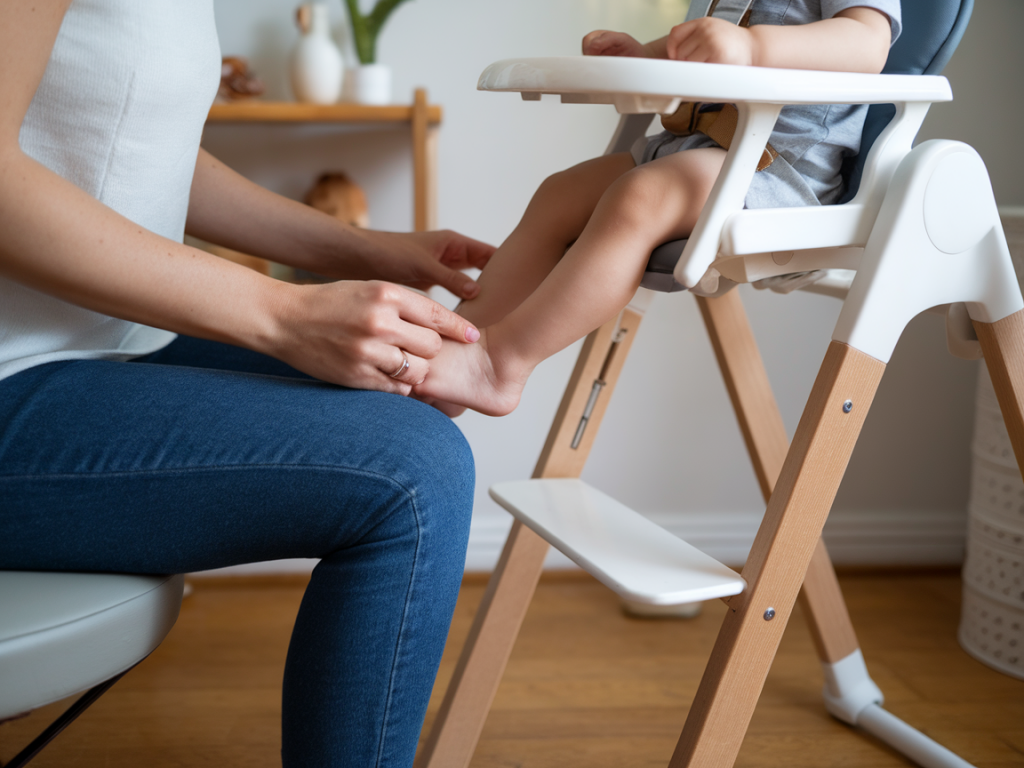
Parents rarely get uninterrupted time for self-care. I know that well — between school runs, naps, work emails and endless to-do lists, a full-length reflexology session can feel out of reach. That’s why I developed a short, chair-based reflexology routine you can do in 10–15 minutes, anywhere you can sit: at the kitchen table, during nap time, or while your child watches a favourite show. These techniques are simple, evidence-informed and designed to reduce stress, ease neck and shoulder tension and invite a moment of calm into a busy day.
Why chair-based reflexology?
Chair-based reflexology adapts foot and hand reflex techniques to a seated posture so you can practice without having to lie down or set aside a large block of time. For parents this matters because it’s:
Quick — effective in 10–15 minutes.Portable — no special equipment required beyond a comfortable chair.Flexible — you can use it seated with your feet on the floor or on a low stool, or apply similar techniques to the hands if your feet need to stay flat.These short sessions aren’t a substitute for a full professional treatment, but they’re an excellent way to interrupt stress, support sleep and soothe shoulders and lower back tension when time is limited.
What you’ll need
A comfortable chair with good back support.A small stool or footrest (optional).A light oil or cream if you like — almond oil, coconut oil or a gentle hand cream such as Aveeno works well. Use only a pea-sized amount to avoid slipping.A quiet timer set to 10 or 15 minutes so you can relax without checking the clock.Quick safety notes
Before we start, a couple of safety points I always mention to clients:
Avoid strong pressure over areas of recent injury, open skin, varicose veins or blood clots. If you have circulatory or serious health conditions, check with a healthcare professional first.Use gentle pressure if you are pregnant — reflexology can be safe in pregnancy but specific contraindications apply in some cases.If you feel any sharp pain, stop. The goal is soothing pressure, not pain.10-minute chair-based routine (step-by-step)
This short routine focuses on the hands and feet — both are accessible while seated, and the hands are especially handy (pardon the pun) when you need to keep feet flat. I’ll give timings so you can set a 10–15 minute timer and let it guide you.
Minute 0–1: Settle and breathe — Sit with both feet flat and shoulders relaxed. Take three slow, deep breaths, inhaling through the nose and exhaling through the mouth. Bring your attention to the breath to shift away from “doing” mode.Minute 1–3: Wrist and forearm release — Rest one forearm on your lap. With the opposite hand, use your thumb to make small circular motions along the inner wrist crease (this zone is helpful for calming the nervous system). Then sweep along the forearm toward the elbow with light stroking pressure to promote relaxation.Minute 3–6: Hand reflex routine — Hold your left hand with your right. Using your thumb, apply steady, gentle pressure across the palm from the base of the fingers down toward the wrist, following a line across the hand (this targets general relaxation zones). Pause and hold on any tender spots for 5–10 seconds. Repeat on the other hand. If your hands are dry, a small drop of oil or cream can make the movements smoother.Minute 6–9: Foot-focused work — Place your left foot on the opposite knee if comfortable, or on a small stool. Use your thumbs to work the sole of the foot in broad, walking movements from heel to ball of foot. Spend extra time on the inner arch (associated with back and spine relaxation). Repeat on the other foot. Keep pressure comfortable — reflexology is firm but not painful.Minute 9–10: Finishing holds — Sit with both feet flat again. Cup each foot lightly with both hands and squeeze gently for a few seconds, then release. Finish with three slow breaths and a moment to notice any small changes in your body or mood.15-minute expanded routine (when you have a little more time)
When you can spare 15 minutes, add a few targeted steps that make a big difference for neck and shoulders — a key area where parents carry tension.
Minute 0–1: Settle and breathe.Minute 1–3: Neck release — Sit tall. Use both hands to cradle the base of your skull; apply gentle downward pressure and make small circular motions. This helps reduce upper neck tension and calms the nervous system.Minute 3–6: Shoulder squeeze — Reach across your chest and squeeze the muscles where your shoulders meet your neck, moving slowly and breathing out as you apply pressure. Do this on both sides.Minute 6–9: Hand reflex routine (as above).Minute 9–13: Foot reflex work with focus on the inner arch and base of toes — these areas relate to digestive and respiratory reflexes, and can help with sleep and settling after an active day.Minute 13–15: Finish with gentle ankle rotations and the three-breath reset.How to adapt these techniques for a baby or toddler on your lap
If your child wants to be close, you can still practice. Use your hands more than your feet: hold the child safely on your lap, and do hand reflex work on one hand while supporting the child with the other arm. The calming touch still benefits you — and your calm presence benefits them.
Short routine schedule ideas
| When | Routine length | Why it works |
| After bedtime (10–15 mins) | 15 mins | Helps unwind the nervous system for better sleep |
| During nap (10 mins) | 10 mins | Quick reset to reduce afternoon tension |
| Before a busy morning | 5–10 mins | Sets calm tone for the day |
Tools and products I recommend
A few simple items make the routine more comfortable:
Light oil: sweet almond oil or fractionated coconut oil for smooth glides.Hand cream: Aveeno Daily Moisturising Lotion — absorbs quickly and won’t leave hands slippery for parenting tasks.Small footrest or yoga block to raise the foot if sitting with one knee up feels awkward.Quick troubleshooting
If your hands are too busy with parenting tasks, focus on the feet — they’re more effective for reflex work and don’t interfere with holding a child.If you can’t sit for a full 10 minutes, do two five-minute mini-routines spread through the day.Consistency matters more than duration: 5–10 minutes daily will have more impact than a single long session every few weeks.If you want more tailored guidance, I share guided chair-based routines and short video clips on my site Reflexology Southwest London Co, and I run short local workshops in Southwest London where busy parents can learn these techniques hands-on. Try the 10-minute routine today and notice how even a small pause can shift the tone of your day.