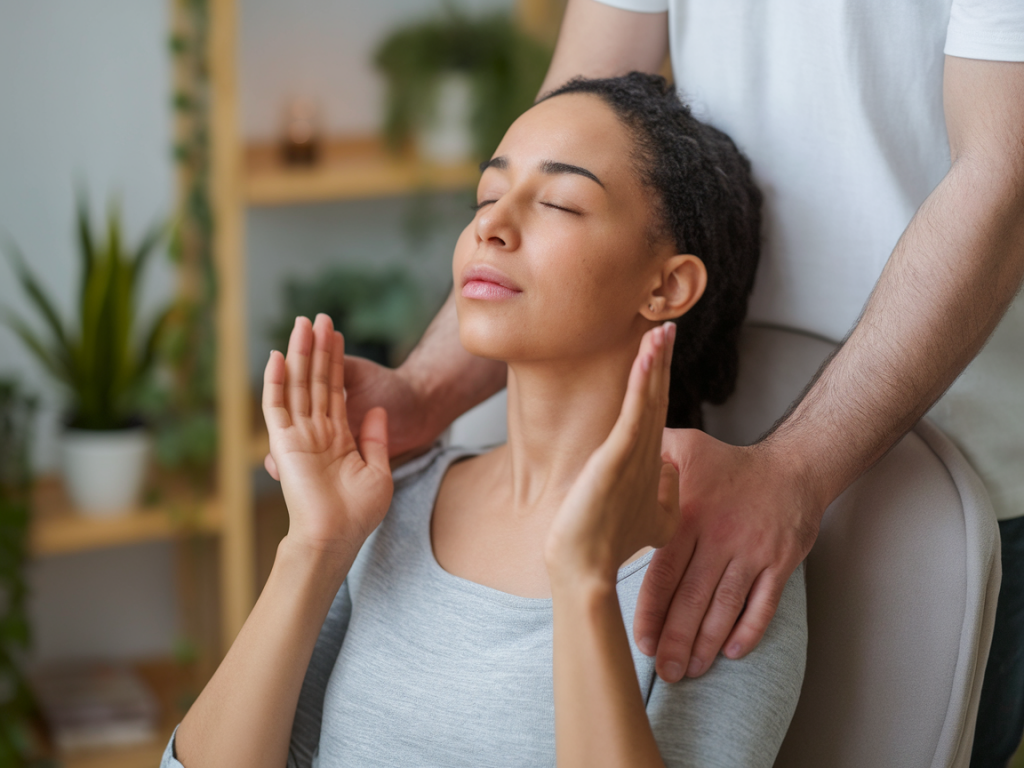
When stress arrives it rarely asks for permission — it shows up as tight shoulders, a racing mind, or that sinking feeling behind the ribs. Over years of working with clients in Southwest London I’ve found a simple, effective pairing that calms the nervous system quickly: mindful breathing combined with a short reflexology routine. It’s portable, discreet and surprisingly powerful when practiced with gentle intention. Below I share the why, the how, and a ready-to-use sequence you can try anywhere.
Why combine breathing with reflexology?
Both breathing and reflexology influence the autonomic nervous system. Slow, diaphragmatic breathing signals safety to the brain and shifts us toward the parasympathetic state — the “rest and digest” mode. Reflexology stimulates somatic points on the feet (or hands) that are connected to the nervous system, encouraging relaxation in specific bodily systems like digestion, sleep and circulation.
When I pair a focused breathing pattern with light, rhythmic pressure on reflex points, the two practices reinforce each other. The breath calms the overall state, and the tactile input from reflexology grounds attention in the body, reducing rumination. In short: breathing calms the mind, reflexology calms the body — together they create an immediate sense of ease.
My quick, 8-minute routine for instant relief
This is the sequence I often teach in workshops and use with clients who need a fast reset. You’ll need a comfortable chair or the edge of a sofa, and about eight minutes. If you have a small bottle of lavender or sweet orange essential oil, a single drop applied to the hands can be soothing, but it’s optional.
This routine is intentionally gentle — the goal is to soothe, not to treat acute physical problems. Adjust pressure according to comfort and always avoid painful manipulation.
Short guided script to use while you work the feet
Speaking a few words (silently or aloud) can help anchor attention. I often guide clients with this simple script:
Use the phrases that feel authentic to you — the language should be gentle and encouraging, not commanding.
Breathing options and when to use them
Different breathing rhythms support different needs. Here’s a quick comparison I find useful:
| Breath | Pattern | Best for |
|---|---|---|
| 4-1-6 calming breath | Inhale 4, hold 1, exhale 6 | Immediate stress reduction, anxiety |
| Box breath | Inhale 4, hold 4, exhale 4, hold 4 | Focus and steadying the mind |
| Diaphragmatic breath | Slow in and out, big belly rises | General relaxation, before sleep |
I commonly pair the 4-1-6 with reflexology for fast down-regulation. Box breath is great when you need to clear a foggy mind before a meeting. Diaphragmatic breathing is a gentle companion for longer reflexology sessions.
Common questions people ask
Do I need to remove shoes and socks? Yes — direct contact with the skin gives the best feedback. If that’s not possible, you can apply the same techniques through thin socks with slightly firmer pressure.
How long before I notice a difference? Many people feel a change in 2–5 minutes: a slowing of the heart rate, a sense of being more present, less urgency. With consistent practice you’ll deepen that response so it arrives faster.
Can I do this lying down? Absolutely. Lying on your back is especially soothing for bedtime routines. Use a pillow under the knees for comfort and maintain the same breathing pattern as you work the feet.
Are there contraindications? Avoid deep pressure if you have recent foot injuries, fractures, open wounds, or severe circulatory issues. Pregnant clients should check with their healthcare provider about pressure points; I adapt techniques for pregnancy in my sessions.
Practical tips to integrate this into daily life
- Keep a small pouch with a travel-sized oil and a note of the breathing pattern in your bag.
- Set reminders on your phone for two-minute breathing breaks paired with a light foot rub at your desk.
- Practice the routine before bed instead of scrolling — it’s a habit that replaces a less helpful one.
- Teach family members or colleagues a shortened version; it’s a lovely way to offer quick care.
Tools and products I often recommend
I’m selective with products. A simple cotton foot bomb or an inexpensive foot roller can enhance the experience without overcomplicating it. For scent, I use organic lavender (Neville or Neal’s Yard Remedies are good options) because it’s calming and widely tolerated. For guided breathing at home, apps like Headspace or Oak are useful — I encourage people to try free versions before committing.
Finally, remember that the tenderness of your touch matters as much as technique. The intention behind the breath and the contact — to be present and to care for yourself — is what makes this pairing work. If you’d like a personalised routine or to explore this hands-on, I offer short, tailored sessions and workshops locally in Southwest London to help you build a sustainable, calming practice.