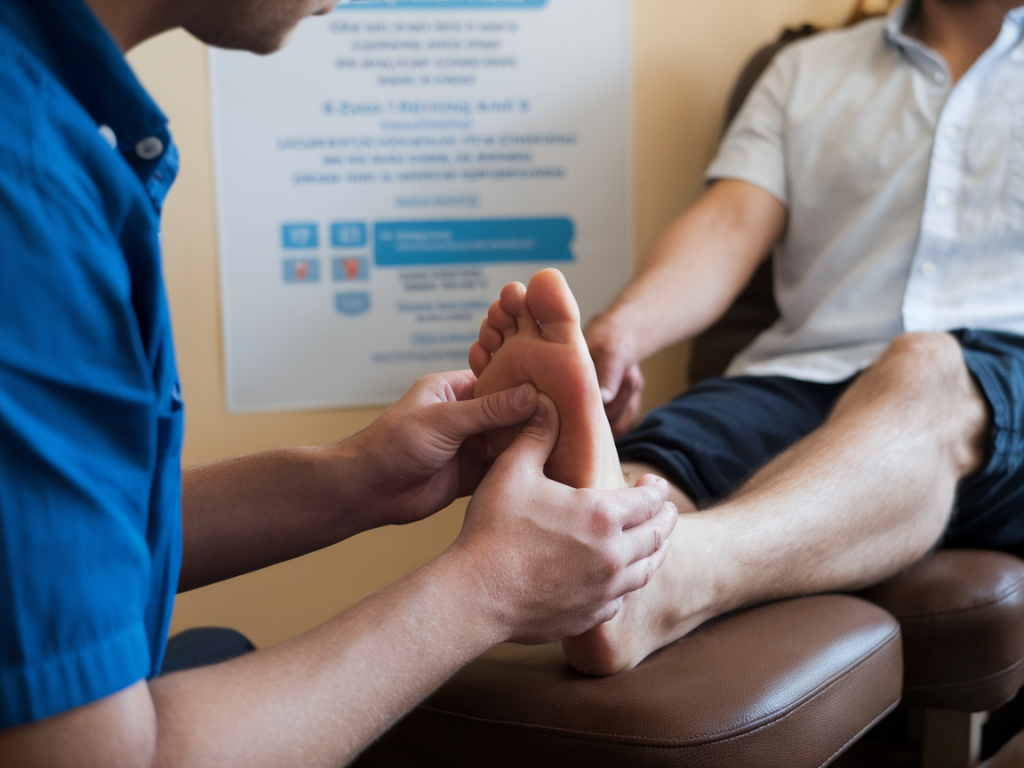
When you’re looking for a reflexologist, it can feel overwhelming: there are lots of practitioners out there and not all training or standards are the same. Over the years I’ve met clients who didn’t know what to ask, or who chose someone based purely on price or location and then left feeling disappointed. I want to help you spot a qualified, safe and effective reflexologist so you can book with confidence.
Why qualifications and professional membership matter
Reflexology is a hands‑on therapy that involves working on the feet, hands or ears to support relaxation and the body's natural balance. Because treatments are intimate and can touch on health issues, training matters. A well‑trained reflexologist understands anatomy and contraindications, keeps accurate records, practices hygiene, and knows when to refer you to a doctor or other professional.
Key things to look for:
- Formal training: Look for diplomas or certificates from recognised reflexology schools. In the UK, many reputable courses are at Level 3 or above (or equivalent) and include anatomy, physiology and case studies.
- Continuing Professional Development (CPD): Good practitioners continue learning. Ask how they keep skills current—workshops, courses, conferences, reading.
- Professional membership: Membership of organisations such as the Association of Reflexologists (AoR), Complementary and Natural Healthcare Council (CNHC) or the Federation of Holistic Therapists (FHT) is a strong sign of credibility. These bodies have codes of conduct and minimum standards.
- Insurance: Public liability and professional indemnity insurance protect both you and the practitioner if something goes wrong. A qualified reflexologist should be able to show proof.
Essential questions to always ask before booking
When you phone or email, a few simple questions will reveal a lot about a practitioner and their approach. I encourage clients to ask these—don’t be shy.
- What training do you have? Ask where and when they trained, and what their qualification is called. A practitioner who avoids this question may be hiding a lack of formal training.
- Are you insured and a member of any professional body? Request the name of the insurer and the professional body. You can often verify membership quickly online.
- How long have you been practising? Experience matters, but so does reflective practice. A newer reflexologist with strong supervision and CPD can be just as competent as someone with many years’ experience.
- Do you have experience with my condition? If you have specific health concerns (pregnancy, diabetes, circulatory issues, recent surgery), ask how they would adapt treatment and whether they have worked with similar clients.
- What should I expect in my first session? A qualified practitioner will describe a consultation, a treatment, aftercare and any follow‑up. They should explain the tone and pressure of reflexology and how to remove socks/footwear if feet are treated.
- What are your cancellation and privacy policies? Professional therapists have written policies and keep client records confidential—ask how your data is stored and how long records are kept.
- Do you carry out health screenings or take consent in writing? A proper initial consultation will include questions about medications, allergies, recent health events and lifestyle. Consent should be informed and documented.
Red flags to watch out for
Sometimes the warning signs are subtle. Here are behaviours or claims that should make you pause.
- Grand medical claims: Reflexology can support relaxation, sleep and stress reduction, and some people notice symptom relief. But anyone promising cures for serious disease, cancer treatments, or guaranteed medical outcomes is not trustworthy.
- No consultation or record‑keeping: If a practitioner skips questions about your health or does not keep records, their practice is unprofessional and potentially unsafe.
- Pushy sales or long retail pitches: Recommending simple, evidence‑based self‑care is fine. Aggressive upselling of expensive supplements, products or courses is a red flag.
- Poor hygiene or unprofessional surroundings: Spaces should be clean, private and comfortable. Practitioners should wash hands and use clean towels between clients.
- Pressure to accept treatment without time to decide: You should be given time to consent and ask questions. Don’t feel rushed into a course of sessions.
What a good first appointment looks like
In my practice, a typical first visit lasts 60–75 minutes and follows a clear structure. If you’re assessing a therapist, look for a similar process.
- Warm welcome and confidentiality: You should feel heard and respected from the first contact.
- Comprehensive consultation: Expect questions about general health, medications, pregnancy, pain, stress, sleep and lifestyle. This informs safe treatment choices.
- Clear explanation of reflexology: The therapist explains what they will do, how it might feel, and common reactions (e.g. deep relaxation, energy shifts, mild emotional release).
- Informed consent: You should be asked to agree to treatment, and any modifications should be noted.
- Aftercare advice: Good practitioners suggest gentle aftercare—water, rest, self‑massage or simple exercises—and offer follow‑up options.
How to check credentials and trust your instincts
It’s easy to verify some things online. Most professional associations list members; insurers can confirm policies; many therapists post their certificates or CPD logs. A quick Google of the practitioner’s name plus the professional body (for example “Association of Reflexologists member”) often works.
But paperwork isn’t everything. Trust your instincts. If you feel uncomfortable with a practitioner’s manner, workspace, or explanations, it’s fine to walk away. A therapeutic relationship is built on trust and mutual respect.
Helpful practical tips and local considerations
If you live in Southwest London or are searching locally:
- Check for practitioners who offer a short introductory session—this can be a low‑risk way to try someone new.
- Look for community recommendations or reviews, but read them critically—individual experiences vary.
- Workplace or community clinic sessions can be good value, but ensure the practitioner still conducts private consultations and maintains confidentiality.
- If accessibility matters to you (ground‑floor room, step‑free access), ask about facilities before booking.
- Some therapists use products such as essential oils (e.g., Neal’s Yard Remedies or organic carrier oils). If you have allergies or sensitivities, name brands matter—ask what they use.
Choosing a reflexologist is part practical verification and part personal fit. Ask the right questions, look for clear qualifications and professional membership, and pay attention to how you feel in that practitioner’s presence. When everything aligns—training, safety, clarity and rapport—you’ll be in a much better position to benefit from reflexology’s relaxing and supportive effects.