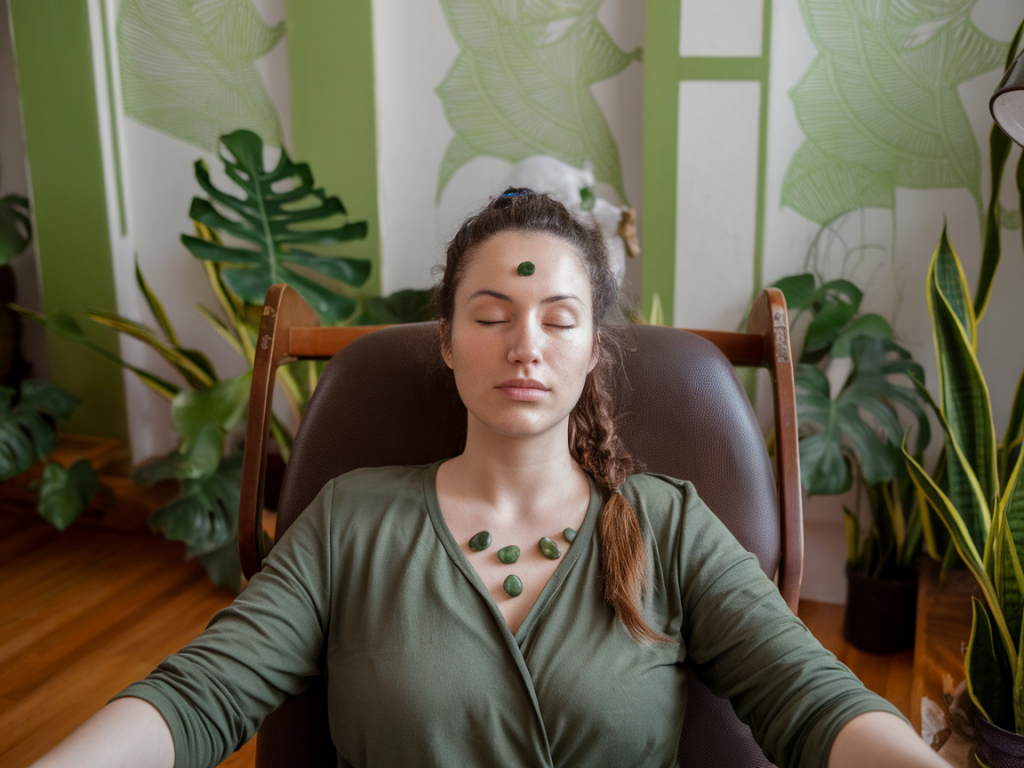
When life feels busy and overwhelming, I find the most sustainable change comes from a weekly plan that’s realistic, flexible and rooted in small habits. Over the years working with clients in Southwest London, I’ve built and refined a framework that combines reflexology, nutrition and sleep hacks into a personalized weekly self-care plan. Below I’ll walk you through how I design that plan, answer common questions I hear from people, and share practical routines you can adapt to your own life.
Why combine reflexology, nutrition and sleep?
People often ask me: “Why these three?” In short, they’re deeply connected. Reflexology helps calm the nervous system and release tension, making it easier to wind down and digest both food and emotions. Nutrition provides the building blocks for energy, mood and restorative sleep. And better sleep amplifies everything else—reflexology sessions feel deeper, digestion improves, and resilience increases. Treating them together creates positive feedback loops rather than one-off fixes.
Start with what matters to you
Before planning a week, I ask myself (and my clients) three simple questions:
- What outcome do I want? (Better sleep, less anxiety, more energy, less digestive discomfort?)
- What’s realistic? (How much time can I commit daily or weekly?)
- What’s non-negotiable? (Family commitments, work deadlines—accepting constraints makes the plan stick.)
Pick one primary outcome. If you try to change everything at once, nothing sticks. For example: “I want to sleep more deeply and feel less neck/shoulder tension by the end of the month.” Everything in the weekly plan will be chosen to support that single goal.
Designing your weekly template
I use a simple template with three layers: quick daily anchors, targeted sessions, and one restorative day. Here’s a practical version you can copy and adapt.
| Layer | Example | Time |
|---|---|---|
| Daily anchors | Morning breathwork + 5‑minute foot reflex routine; evening screen‑off and bedtime snack | 10–20 min/day |
| Targeted sessions (2–3x/week) | Full reflexology self‑treatment or professional session; focused nutrition prep (meal plan) | 30–60 min/session |
| Restorative day | Longer walk, longer reflexology or restorative yoga, tech‑free evening | 2–4 hours |
Daily anchors: bite‑sized practices that add up
Daily anchors are non-negotiable micro‑habits. I recommend three simple ones:
- Morning reflexology (5 minutes): While making tea, I spend five minutes on a simple foot routine: thumb walks along the spine reflex (inner edge of the foot), gentle rotations at the ankle and pressure on the solar plexus area. This wakes the parasympathetic response without taking much time.
- Midday grounding breath (2–3 minutes): Box breathing or 4‑4‑4 cycles to reset stress hormones—handy between meetings.
- Evening wind‑down ritual: A light protein snack (e.g., Greek yogurt or a small handful of almonds), turn off screens 30–60 minutes before bed, and a 3‑minute feet massage with a nourishing oil or balm (I like Weleda Skin Food for hands and feet).
Targeted sessions: deeper work for nervous system and digestion
Twice or three times a week, I schedule a longer session. That might be a self‑reflexology session at home or a professional appointment. Here’s what I include:
- Full reflexology sequence (30–45 minutes): Work both feet, include the diaphragm and solar plexus reflexes to calm breath and digestion, and finish with gentle foot stretches.
- Nutrition focus: Prepare one nourishing batch cooked meal—something balanced like a chickpea, roasted veg and quinoa tray bake or a salmon, sweet potato and greens tray. Having this ready makes evening choices easier.
- Sleep preparation: On targeted nights, experiment with a sleep hack such as magnesium glycinate (consult your GP if you’re on medications), or a calming tea like Pukka Night Time or traditional chamomile.
How to personalise the reflexology routines
Clients often ask me for exact reflex points. Here are practical, safe choices for common goals:
- To calm anxiety: Work the solar plexus reflex (center of the foot), then thumb‑walk across the top of the foot for the head/brain reflex to ease racing thoughts.
- For digestion: Focus on the arch (intestinal reflexes), and add gentle circular pressure to the stomach reflex (left foot, just below ball).
- For sleep: Stimulate the pituitary reflex (center of big toe) and the spinal reflex along the inner edge of the foot. Finish with soothing long strokes from toes to heel.
Use gentle but firm pressure—comfort is key. If you experience pain, ease off. If you’re pregnant or have circulatory issues, check with a practitioner before starting new routines.
Nutrition tips that actually help sleep and energy
Simple, consistent nutritional habits beat fancy diets when your goal is better sleep and steady energy:
- Prioritise protein at dinner: A small serving of protein (fish, legumes, yogurt) stabilises blood sugar and supports serotonin production for sleep.
- Reduce late caffeine and sugar: Try to avoid caffeine after mid‑afternoon and heavy sugary snacks in the evening. Swap to rooibos or decaf if you miss the ritual.
- Include magnesium‑rich foods: Pumpkin seeds, spinach, almonds and oats help with muscle relaxation. If diet alone isn’t sufficient, a low‑dose magnesium supplement in the evening can help—again, check with a professional first.
- Hydration window: Keep well hydrated through the day but reduce fluid intake an hour or two before bed to prevent wakeful bathroom trips.
Sleep hacks I actually recommend
Here are practical sleep improvements I use with clients—and myself:
- Temperature control: Cool bedroom, around 16–18°C, helps you fall into deeper sleep.
- Light hygiene: Wind down lights an hour before bed; consider a warm bedside lamp rather than bright overheads. Blue‑light blocking glasses can be useful if you must use screens late.
- Consistent wake time: Wake within 30 minutes of the same time every day—even weekends help anchor circadian rhythms.
- Pre‑sleep reflex routine: 5–7 minutes of foot work focusing on calming reflexes reliably lowers heart rate and prepares the body for sleep.
Sample weekly plan you can copy
Here’s a simple example for someone who wants better sleep and reduced tension:
| Day | Morning (10 min) | Evening (15–30 min) |
|---|---|---|
| Monday | 5‑min foot routine + green tea | 30‑min self‑reflexology (sleep focus) |
| Tuesday | Breathwork + ankle mobilisations | Protein dinner + 3‑min foot massage |
| Wednesday | Walking + 5‑min foot wake | Restorative yoga or gentle stretching |
| Thursday | Morning reflex routine | Professional reflexology session or longer home session |
| Friday | Short morning breath reset | Screen‑free evening + chamomile tea |
| Saturday | Long walk + foot self‑care | Restorative night; magnesium if needed |
| Sunday | Meal prep + light reflex work | Early bed, tech‑free hour |
How to track progress and adapt
I suggest a simple weekly check‑in: rate sleep quality, energy and tension on a 1–10 scale. Keep notes on what felt different—did a magnesium evening help? Did reflexology lower neck tension? Use those data points to adjust frequency and focus. If after four weeks there’s no improvement, tweak one variable at a time (timing, pressure, or nutrition) and re‑test.
If you’d like, I can help you personalise a weekly plan based on your specific goals and schedule—either in person in Southwest London or via an online consult. Small, consistent changes layered across reflexology, nutrition and sleep create the kind of momentum that lasts.