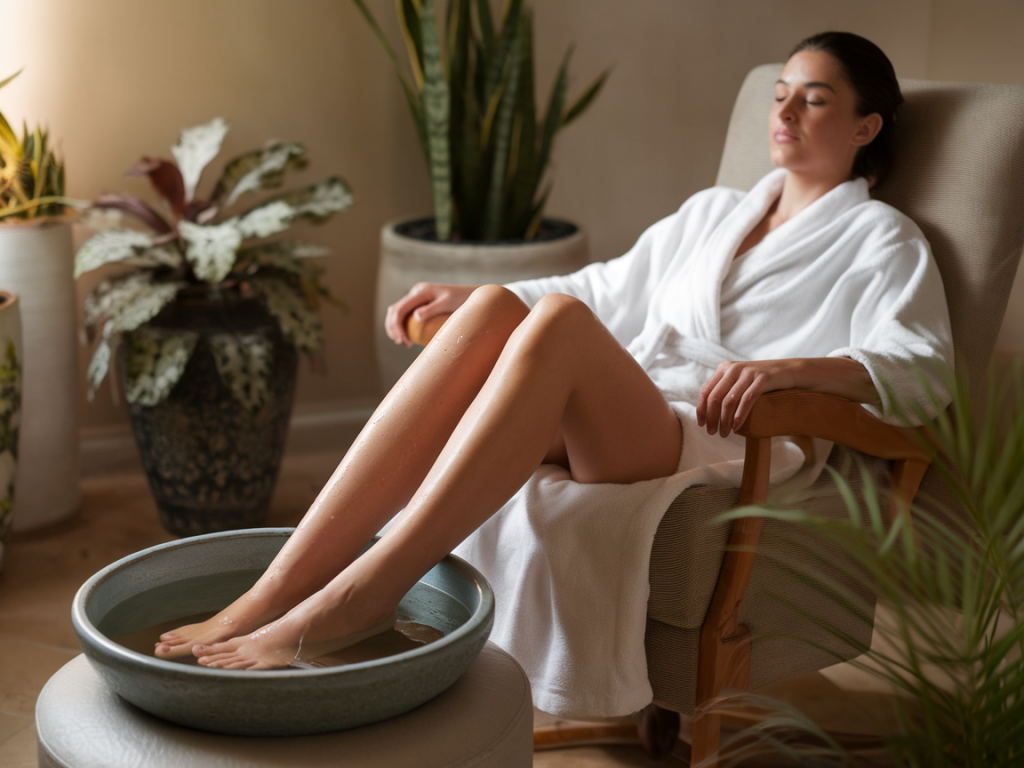
As a reflexologist and wellbeing practitioner based in Southwest London, I often meet tired parents who tell me the same thing: "I’ll take two uninterrupted hours of sleep — that would feel like a miracle." Over the years I’ve developed a compact, evidence‑informed evening reflexology protocol that takes about 15 minutes and is designed to increase the chances of getting one or two solid hours of uninterrupted sleep early in the night. It’s not a miracle cure, but it’s a practical, calming routine you can do at home — alone or with a partner — that helps shift the nervous system toward rest and consolidate sleep in those critical first hours.
Why a short reflexology routine can make a big difference
Sleep quality often depends on how quickly we fall into deep, restorative phases. For parents, fragmented sleep is usually the product of stress, heightened arousal, and the unpredictability of family life. Reflexology works on three complementary levels:
Research into reflexology is mixed, but there is good evidence that touch therapies and relaxation techniques improve subjective sleep quality and reduce anxiety. When combined with basic sleep hygiene — dim lights, limited screen time, and a calming bedroom environment — a 15‑minute reflexology routine can meaningfully increase the chance of getting uninterrupted sleep during the early night.
How I structure the 15‑minute evening protocol
This routine takes roughly 15 minutes and is split into three easy phases: prepare (2 minutes), target reflex work (10 minutes), and finish & nest (3 minutes). Each step is designed for busy parents — you don’t need prior reflexology experience or special equipment. I often recommend a small jar of coconut oil, a lavender roll‑on (I like Neal’s Yard or Tisserand for natural blends), and a pair of warm socks.
Find a comfortable seated position on the edge of the bed or a chair. Dim the lights and set a timer for 15 minutes. Take three slow, diaphragmatic breaths: inhale for 4, hold 1, exhale for 6. Apply a small amount of oil to your hands to reduce friction and to add an aromatherapy cue (lavender is widely used for sleep; 1–2 drops in the palm is enough).
Work both feet, spending roughly 5 minutes per foot. Use the pads of your thumbs and fingers to apply gentle, steady pressure — avoid sharp pain. The aim is rhythmic, mindful stimulation, not forceful manipulation. Follow this sequence:
If your child wakes in the night, doing a quick 1–2 minute repeat of the solar plexus point can be calming for both parent and baby, helping you both settle more quickly.
Simple table of key reflex points and intent
| Reflex point | Location | Why it helps |
|---|---|---|
| Solar plexus / diaphragm | Centre of foot pad (just below the ball) | Promotes parasympathetic activation; calms the nervous system |
| Pituitary | Tip of the big toe | May influence hormonal balance and sleep‑wake regulation |
| Heart / chest | Ball of the foot under the toes | Relieves emotional tension and anxiety |
| Kidney / lower back | Inner arch area | Supports stress regulation and cortisol balance |
| Brain / cranial reflex | Base of big toe | Helps quiet the mind and reduce rumination |
Practical tips for parents
Small adaptations make the protocol realistic for family life:
What to expect and when you’ll see results
Everyone is different. Some parents notice a difference the first night — falling asleep faster and staying asleep for the first 60–90 minutes. For others, it takes 1–3 weeks of consistent practice. The key factor is regularity: the body learns to associate the ritual with sleep. Track nights with a simple sleep notebook or an app like Sleep Cycle for short periods to observe trends without becoming obsessive.
When reflexology isn’t enough
If anxiety, insomnia, or medical conditions (postnatal depression, severe sleep apnea, chronic pain) are driving sleep disruption, reflexology should be part of a broader plan. Seek support from your GP, a perinatal mental health service, or a sleep clinic. I often collaborate with local therapists and can point clients to trusted local services in Southwest London when needed.
Troubleshooting common issues
This protocol is intentionally compact and practical so busy parents can actually use it. Over time, the small nightly investment in 15 minutes of calm touch and focused breathing can add up to more consistent sleep and better daytime energy — and sometimes, for many parents I’ve worked with, it is enough to reclaim those precious uninterrupted hours that make the rest of the night more restorative.
If you’d like a downloadable checklist, a short video demonstration, or to book an in‑person session here in Southwest London where I’ll guide you through the sequence, you can find resources and session details at https://www.reflexologysouthwestlondon.co.uk. I often run short workshops for local parents that practice this protocol together and adapt it to individual needs — it’s a lovely way to learn and share the load.