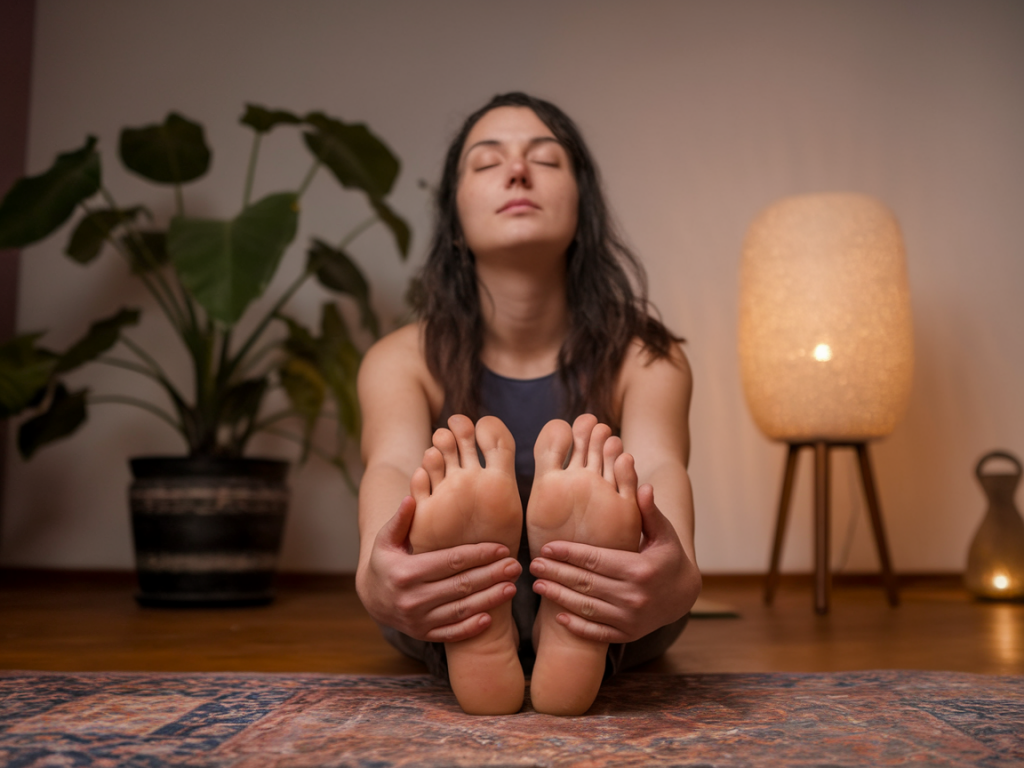
Late-afternoon energy crashes are one of the most common complaints I hear from clients in Southwest London. You know the feeling: eyes heavy, focus slipping, a sweet temptation whispering from the office kitchen. Before reaching for coffee or a sugary snack, try a focused 6-minute foot and hand reflex routine that I use with clients and teach in workshops. It’s simple, portable, and actually works to lift alertness, calm stress and rebalance your nervous system without caffeine.
Why reflexology can help mid-afternoon slumps
Reflexology is not just about relaxation — when applied thoughtfully it can support circulation, stimulate the nervous system and encourage a shift from fatigue to alert calm. The feet and hands contain reflex zones that correspond to the brain, adrenal glands, digestive system and spine. Gentle pressure applied to these zones can nudge the body toward better energy regulation.
Practically, this routine works because it combines:
- circulatory stimulation (increased blood flow to the brain and muscles),
- activation of alerting reflexes (through light, focused stimulation of specific reflex points),
- breath and grounding (we pair the touch with mindful breathing)
When to use this 6‑minute routine
I recommend using this routine when you notice the first signs of an energy dip — heavy lids, slowed thinking, irritability, or after a long meeting. It’s also perfect for:
- between tasks to reset your focus
- before an afternoon workout
- if you need a short, healthy pick-me-up without caffeine
- when working from home and you want to avoid screen fatigue
What you’ll need
No special equipment is required. All you need is a comfortable chair, a small towel (optional), and perhaps a light, unscented oil or hand cream if your skin is dry — I sometimes recommend a subtle lavender blend (e.g., Neal's Yard or smaller local aromatherapy brands) for added relaxation, but it’s optional if you want to stay alert.
How to do the 6‑minute foot and hand reflex routine (step-by-step)
Set a timer for 6 minutes. I divide the time into approximately 3 minutes per foot and 3 minutes for both hands combined. Use firm but comfortable pressure — you should feel pressure, not pain.
Feet — 3 minutes total (about 90 seconds each foot)
- Hold and ground: Sit with your feet flat. Pick up one foot and rest it gently in your lap or on the opposite thigh. Take two slow breaths, inhaling for four and exhaling for six to activate the parasympathetic system slightly while staying alert.
- Solar plexus/ridged pad: With your thumb, make circular presses across the centre of the sole (the area just below the ball of the foot). This targets the solar plexus reflex and helps release tension. 10–12 small circles.
- Big toe base/brain reflex: Gently compress the base of the big toe and glide along the sides — this stimulates the brain/head reflex zones that support alertness and clarity. 6–8 presses or glides.
- Spine line along the inner edge: Run your thumb along the inner edge of the sole from heel to big toe base with smooth strokes; this corresponds to the spinal reflex and has a grounding, organising effect. Repeat 3–4 times.
- Finish with energising taps: Lightly tap the sole all over with the pads of your fingers for 10–15 seconds to awaken sensation.
Hands — 3 minutes total
- Warm-up: Rub palms together briskly for 10 seconds to create warmth and circulation.
- Thumb walk along the thumb base: With your opposite thumb, use a small walking motion along the base and sides of the thumb (this reflects the head/brain area in hand reflexology). 8–10 walks each side.
- Heart/solar reflex on the palm: Press the centre of the palm (the fleshy pad below the middle fingers) in small circular motions — helps balance energy and reduce that groggy feeling. 12 circles.
- Wrist crease stimulation: Press gently into the wrist crease where you might feel a slight indentation — this activates systems related to digestion and rhythm (helps avoid the post-lunch slump). 6 presses each wrist.
- Finish with gentle squeezes: Squeeze each finger from base to tip, ending with a quick rotation of each finger to release tension.
Breath and attention — the small details that make a big difference
While you perform the routine, keep your attention on the sensations. Try a simple breath pattern: inhale for 4, exhale for 6. The slightly longer exhale calms unnecessary stress while keeping you alert. If you’re in a public place, you can do the foot work under a desk and focus more on the hands and breath.
Quick variations depending on needs
- More alertness: Increase rhythm and firmness slightly on the brain reflex areas (big toe base and thumb) for a quicker lift.
- Less jittery energy: Keep pressure softer and prolong the circular movements on the solar plexus and palm centre to stabilise.
- Desk-friendly: Use only the hands and wrist work if you don’t want to remove shoes — it’s very effective alone.
Safety and precautions
If you have foot injuries, recent surgery, gout, deep vein thrombosis or varicose veins that are problematic, consult a healthcare professional before doing foot reflexology. Pregnant clients should avoid strong abdominal or specific reflex points in early pregnancy unless guided by a qualified practitioner. Always work within comfort — any sharp pain is a sign to soften pressure or stop.
How to integrate this into your routine
Make this 6-minute routine a ritual: set a daily reminder at the same time (mid-afternoon usually between 2–4pm), or use it as a transition tool after lunch or before late meetings. Over weeks, people report fewer cravings for caffeine and a steadier afternoon energy level. If you want deeper support, I sometimes pair the routine with a quick tea (peppermint or green tea for a mild lift) and a 10-minute walking break around your local neighbourhood in Southwest London.
If you’d like printable step-by-step cards or a short audio-guided version to use at your desk or on the go, I’ve made resources available on ReflexologySouthwestLondon Co (https://www.reflexologysouthwestlondon.co.uk) that you can download or use in workshops. Try the routine today and notice subtle shifts — often small, consistent practices are the gentlest way to reclaim steady, sustainable energy.